TORANJ — Inspired by Bote Jegheh

The Pattern Behind the Design
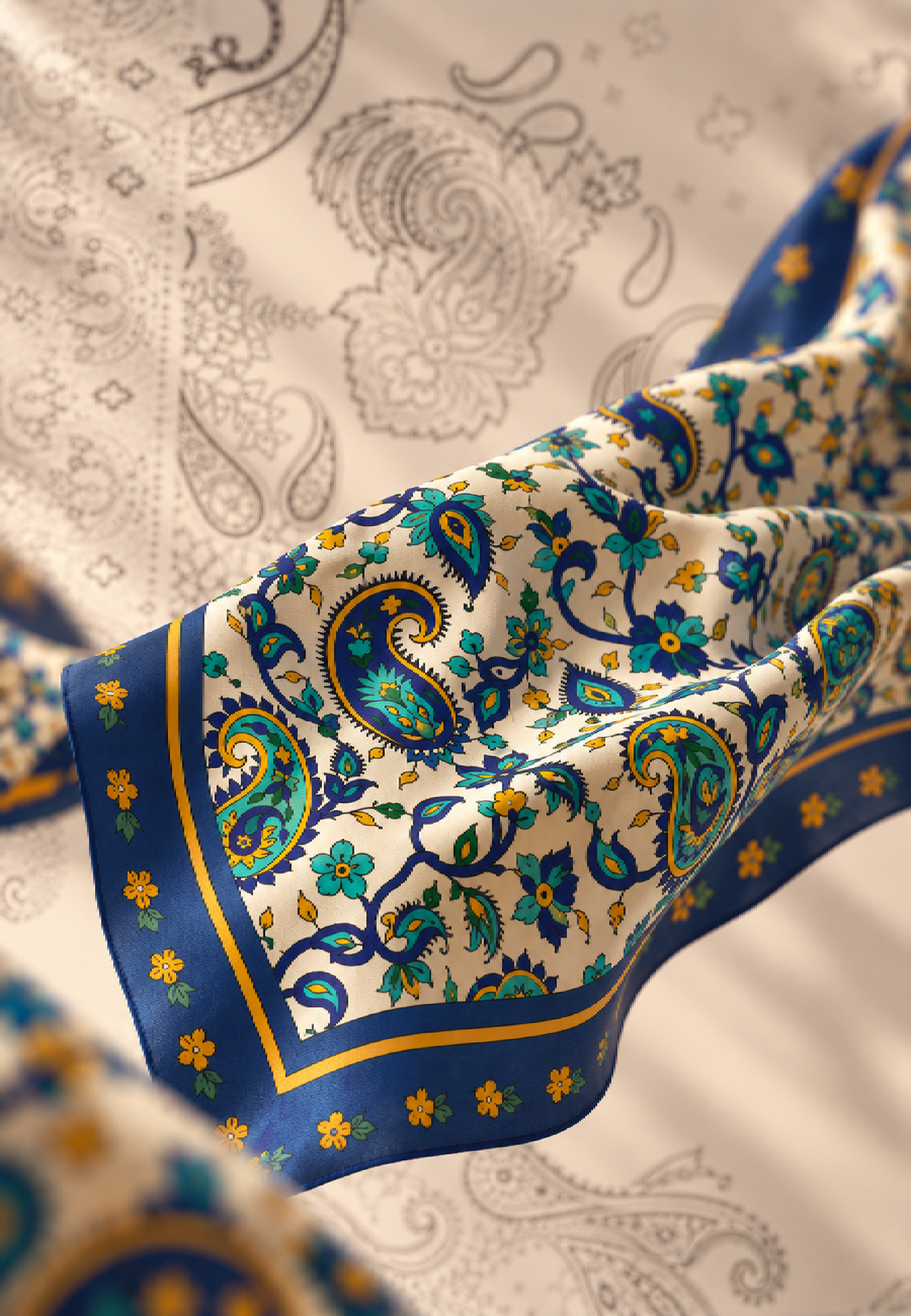
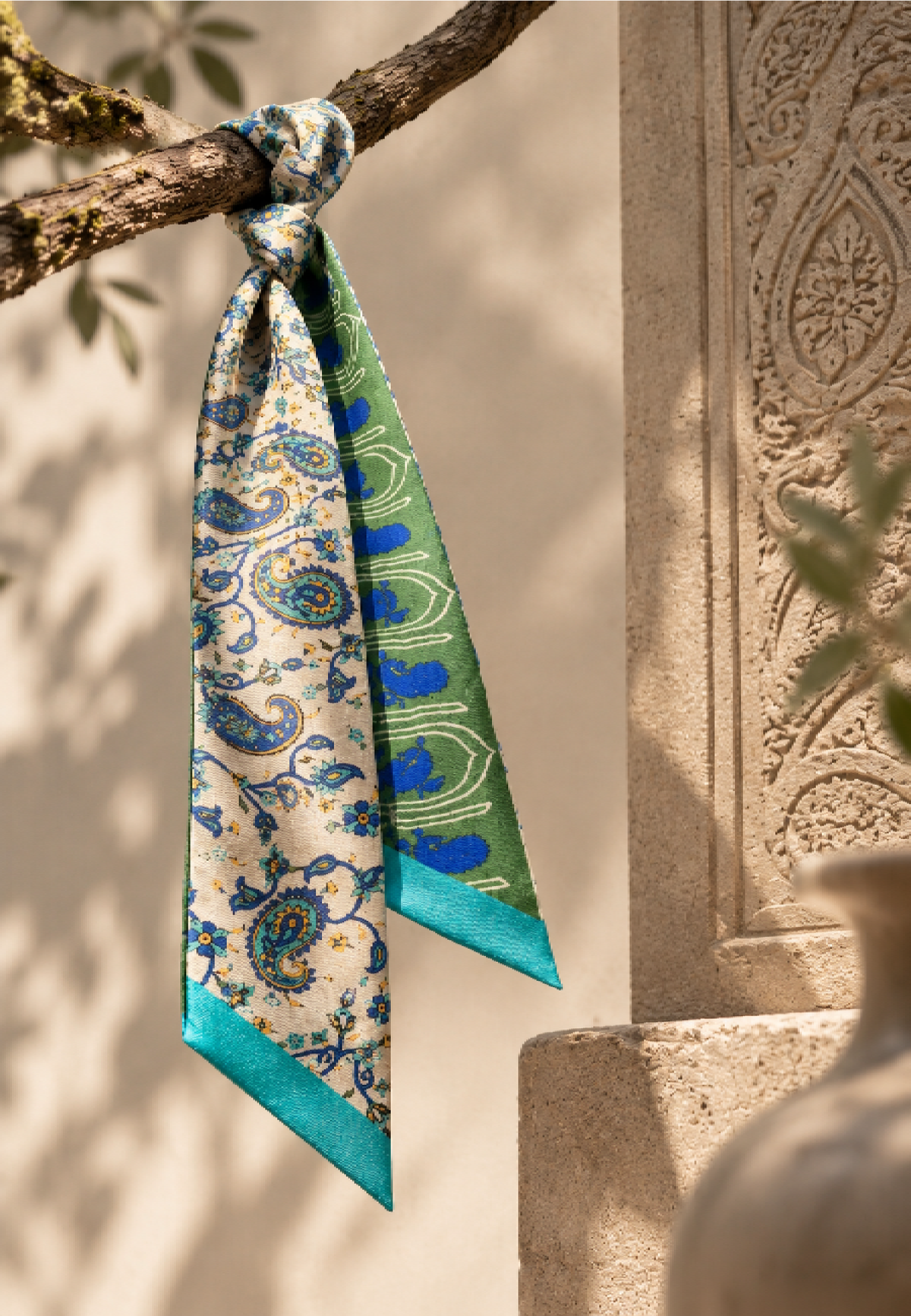
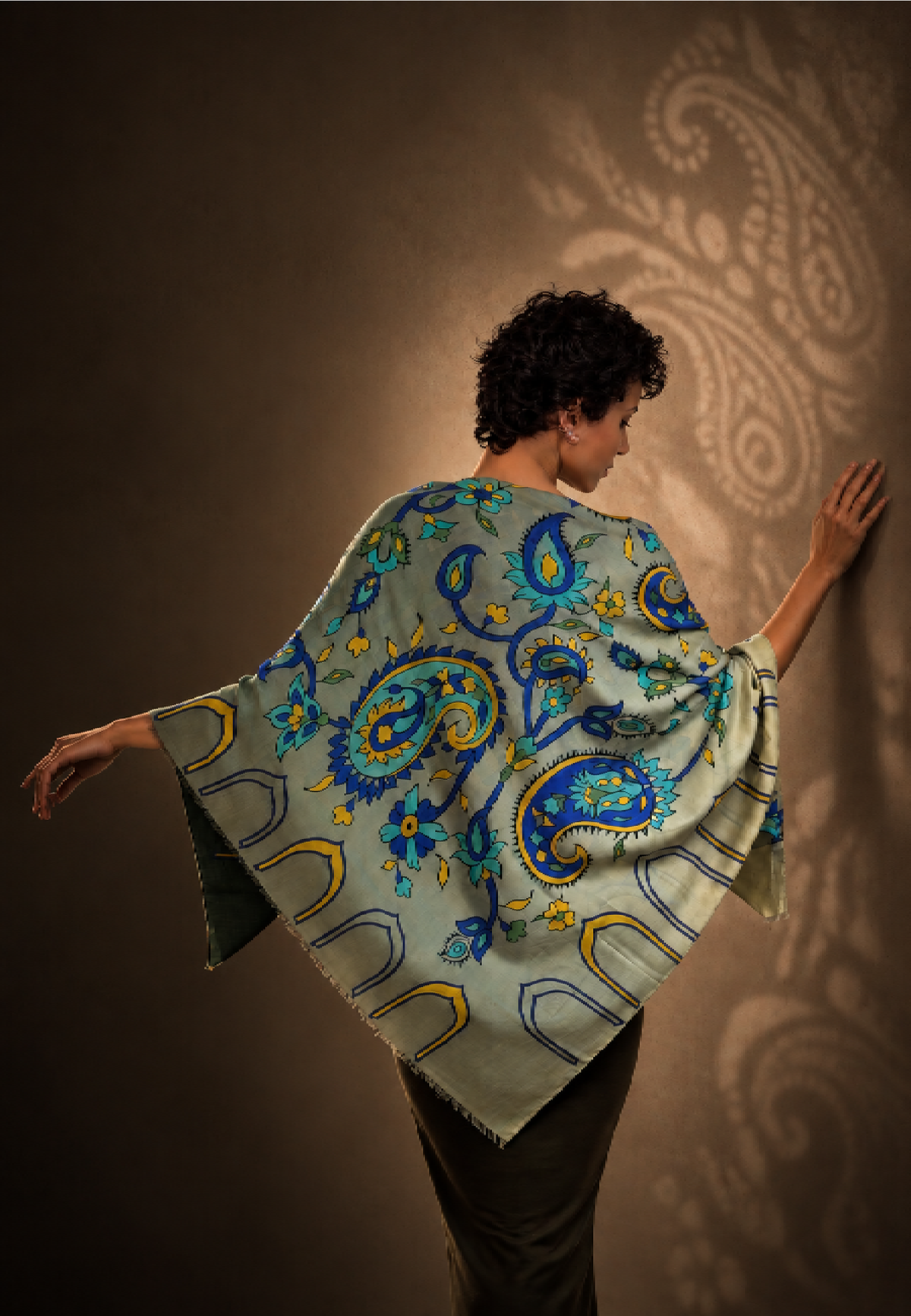
TORANJ draws inspiration from Bote Jegheh, one of the most recognisable motifs associated with Persian decorative art and a form that later became widely known around the world as paisley.

With its curved, teardrop-like silhouette and organic internal details, the motif has been interpreted in many different artistic contexts over time. Its distinctive form allows it to move naturally between textile, ornament and contemporary design.

For AFROZAN, Bote Jegheh is not simply a decorative pattern. It represents the possibility of carrying a visual language rooted in Persian heritage into a contemporary fashion context.

TORANJ reinterprets this enduring motif through colour, composition and the movement of silk.

The Bote Jegheh Motif

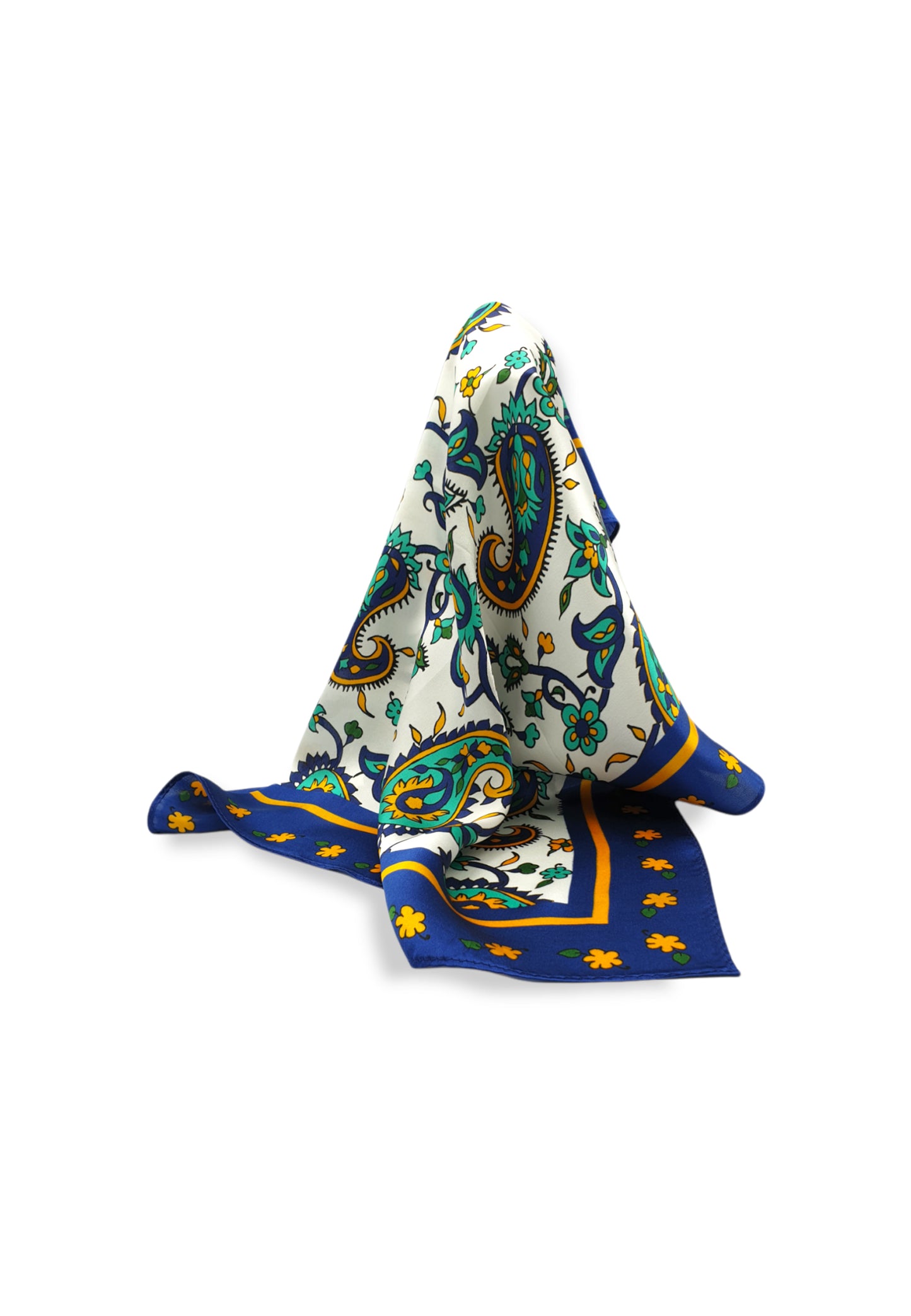
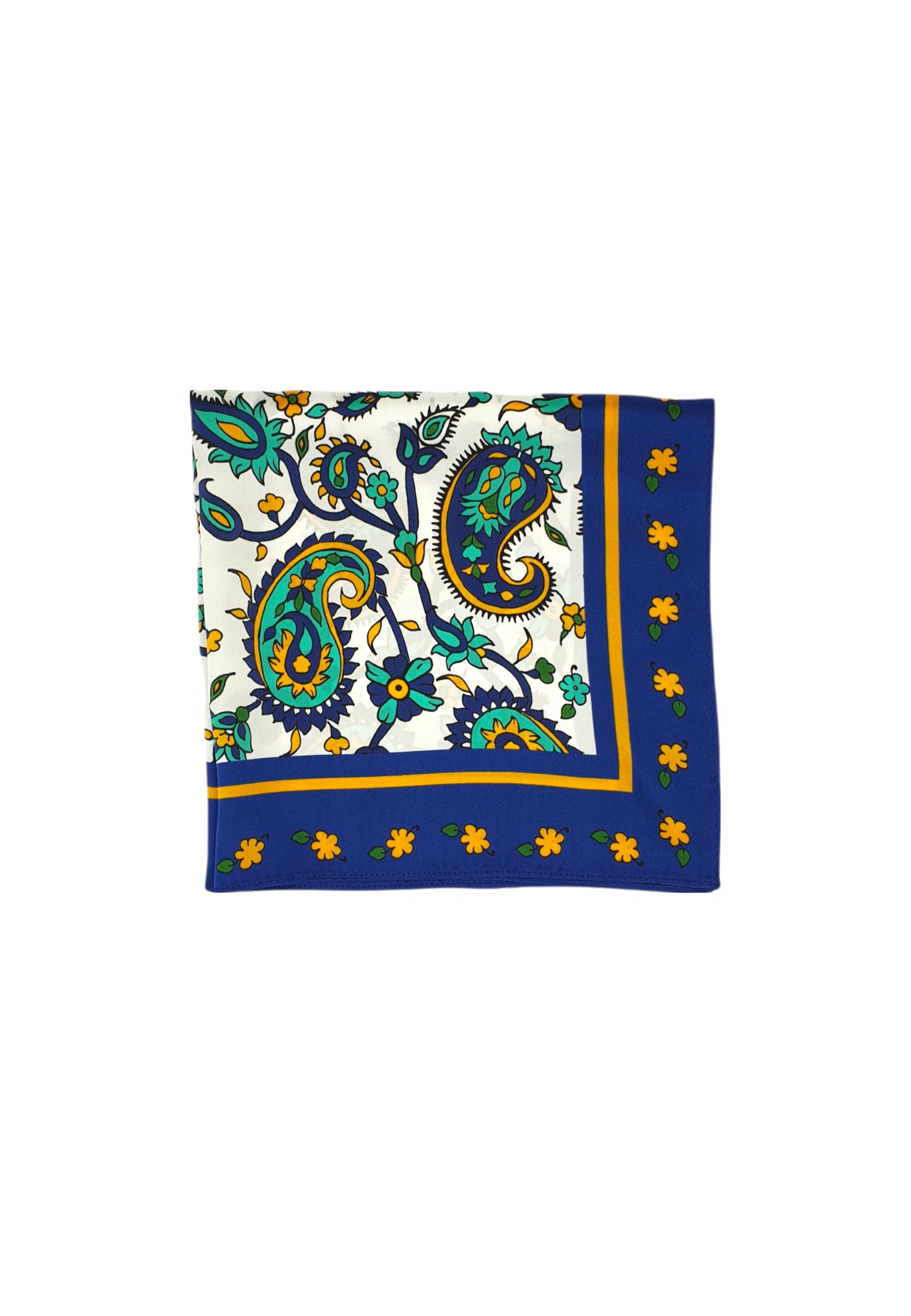
Bote Jegheh is a distinctive Persian motif characterised by a curved form that resembles a folded leaf, a cypress or a stylised botanical shape.

Its exact origins and symbolic interpretations have been discussed in different historical and cultural contexts, and the motif has appeared in a wide range of Persian textiles and decorative arts.

What makes Bote Jegheh particularly enduring is its ability to remain recognisable while changing according to the artistic language of each period.

The form can be elongated or rounded, simplified or richly decorated, isolated or repeated within an intricate pattern.

This flexibility is one of the qualities that makes it such a powerful source of inspiration for contemporary textile design.

From Bote Jegheh to Paisley

Over time, the Bote Jegheh motif travelled beyond the artistic traditions in which it developed and became recognised internationally as paisley.

Its journey across textiles and cultures transformed the motif without eliminating its distinctive identity.

The same basic form could appear in different colours, scales and compositions, adapting to the visual language of different places and periods.

For TORANJ, this history is particularly meaningful.

A motif can travel.

It can change.

It can be reinterpreted.

Yet it can still retain a connection to the visual culture from which it emerged.

A Botanical Form

One of the most fascinating qualities of Bote Jegheh is its relationship with nature.

The curved outline recalls organic forms — particularly the shape of a leaf or the elegant vertical movement of the cypress.

Inside the motif, smaller botanical and decorative elements can create another layer of visual complexity.

TORANJ explores this relationship between nature and ornament.

The organic silhouette provides the structure, while colour and internal detail give the pattern its character.

Nature is therefore not represented literally. It is transformed into a decorative language that can be repeated, arranged and experienced through textile.

Rhythm, Repetition and Color

A single Bote Jegheh can be immediately recognisable. But when repeated across a textile, the motif becomes something larger than the individual form.

Repetition creates rhythm.

Scale creates movement.

Colour creates atmosphere.

The relationship between individual motifs and the surrounding space determines how the entire composition is experienced.

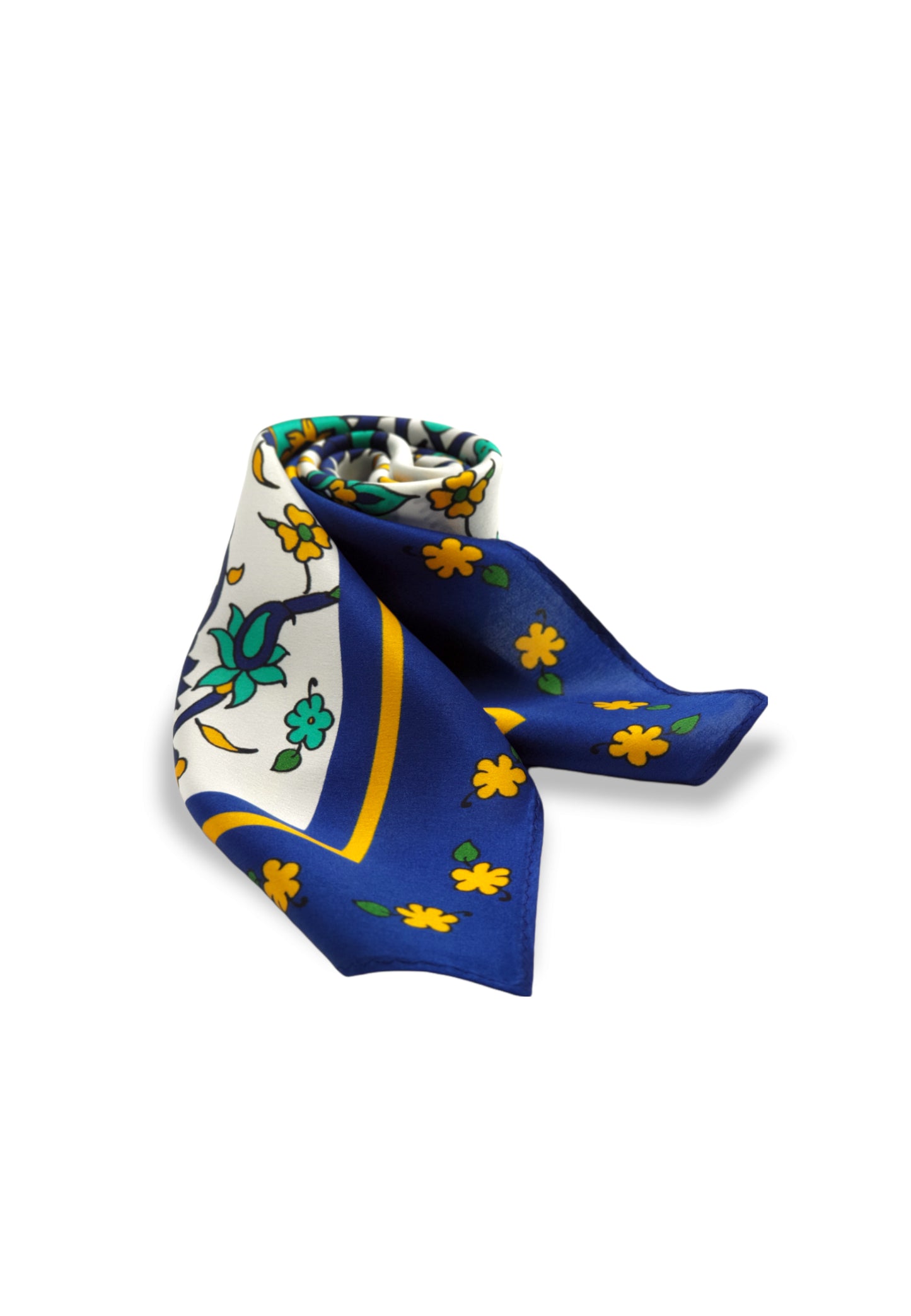
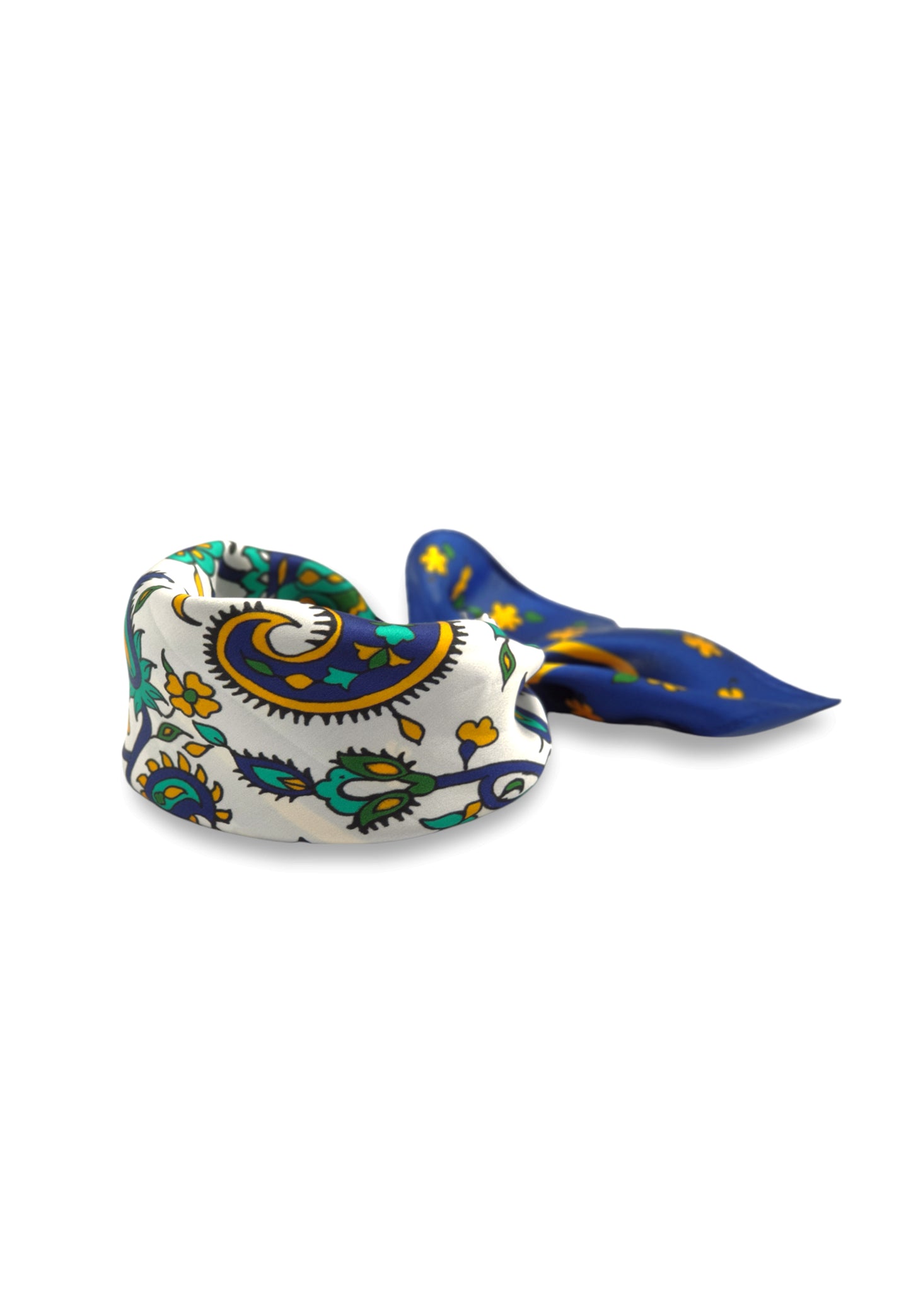
TORANJ uses these principles to create a pattern that changes depending on how the scarf is folded and worn.

The motif is never completely fixed. Its position, scale and relationship with the wearer change continuously.

From Persian Pattern to Silk

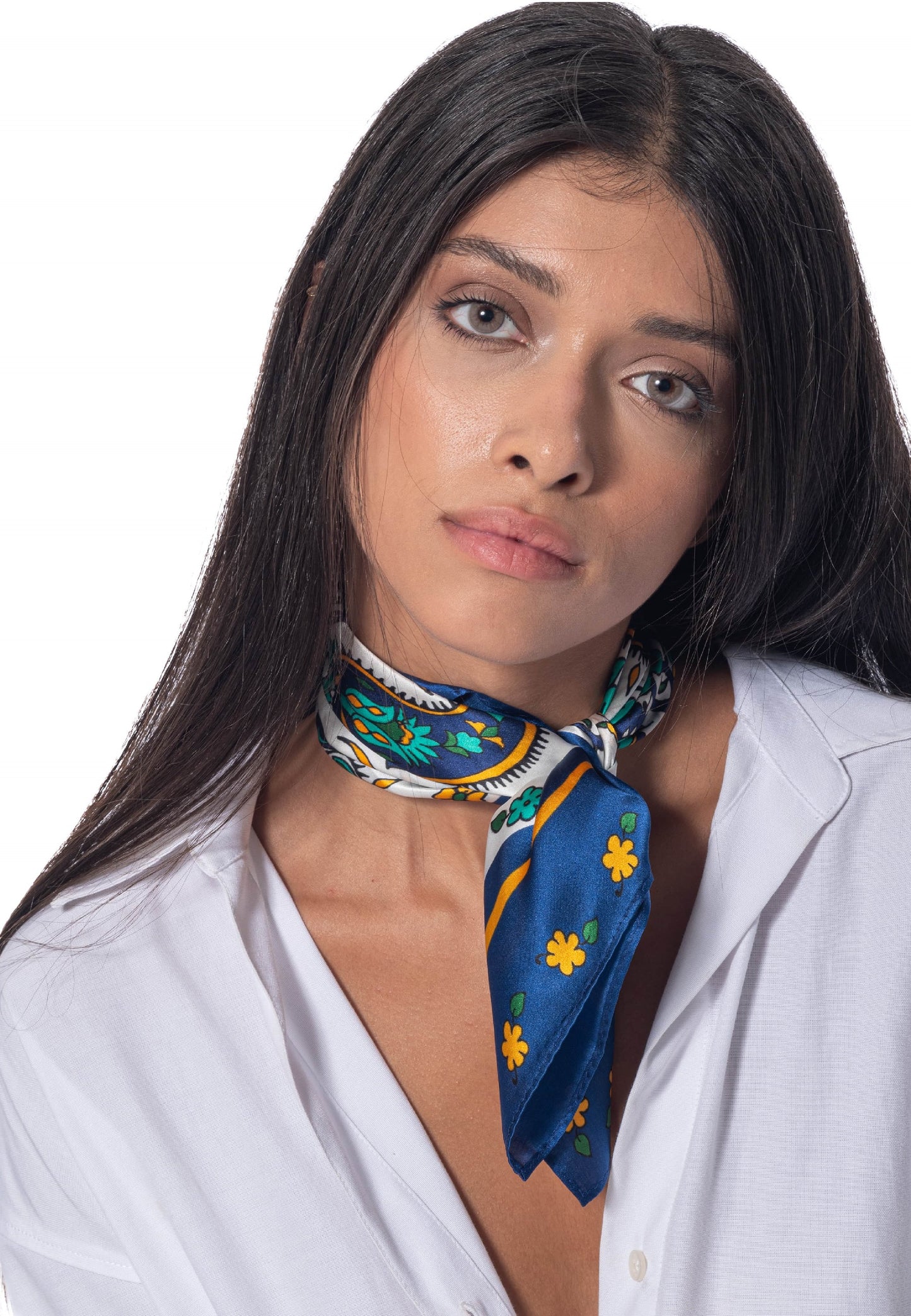
TORANJ translates the visual language of Bote Jegheh into a contemporary silk accessory.
The smooth surface of silk allows the colours and details to remain visible while the movement of the fabric introduces a constantly changing relationship between pattern and form.

Folded, tied, wrapped or worn as a neck scarf or accessory, TORANJ allows the historical motif to move beyond the surface of a textile and become part of contemporary personal expression.

From Heritage to Contemporary Design

AFROZAN approaches cultural heritage through interpretation rather than reproduction.

TORANJ takes an enduring Persian motif and considers what makes it visually powerful today: its organic silhouette, its relationship with nature, its adaptability and its ability to create rhythm through repetition.

Bote Jegheh becomes more than a historical reference.

The botanical form becomes pattern.

Repetition becomes rhythm.

Colour becomes expression.

Heritage becomes something wearable.

TORANJ connects a visual language rooted in Persian decorative traditions with contemporary fashion, allowing an ancient motif to continue its journey through a new medium and a new generation.