OROSI — Inspired by the Mollabashi House

The Architecture Behind the Design

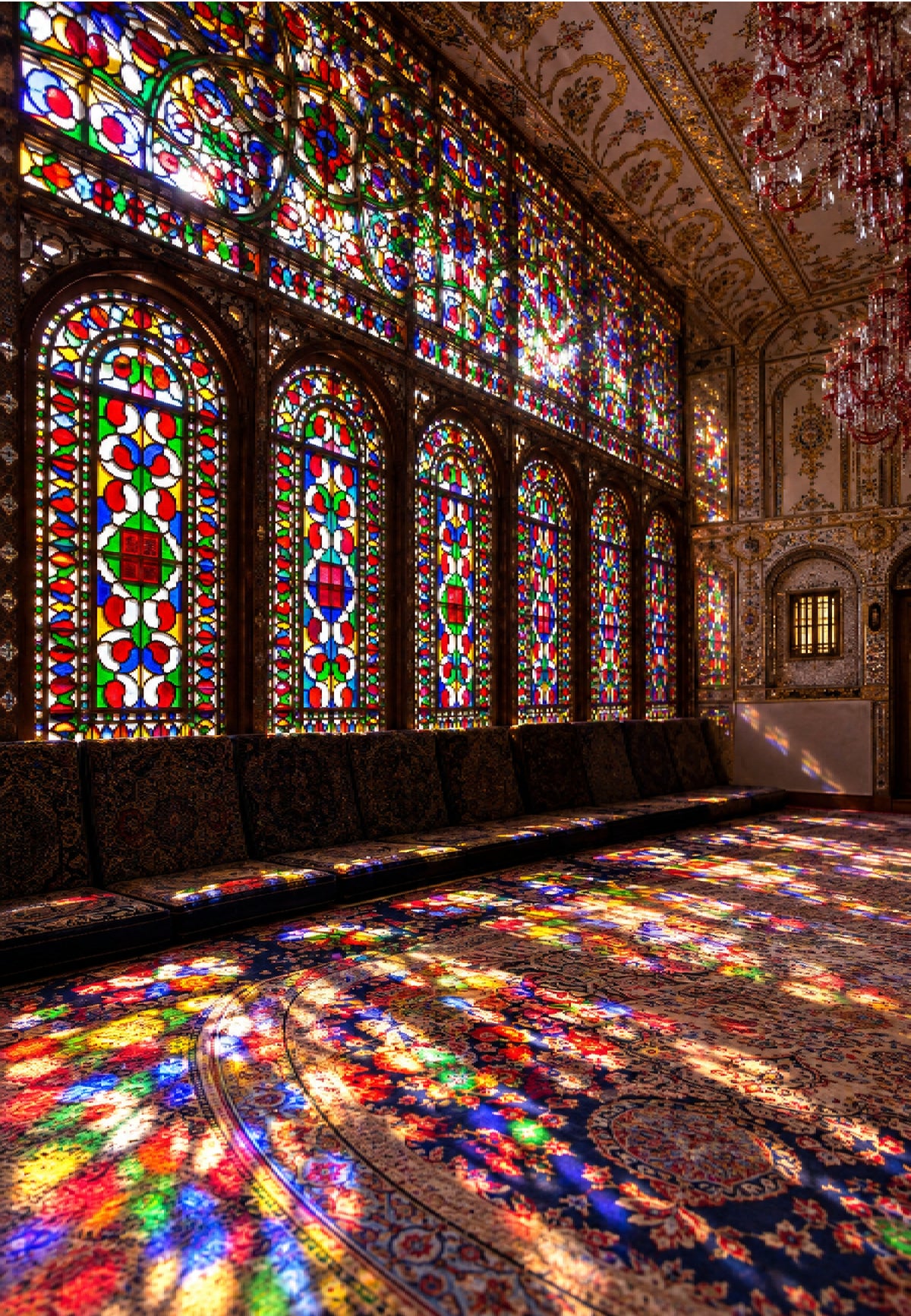
OROSI draws inspiration from the Mollabashi House in Isfahan, a historic residence known for its interplay of light, colour, glass, mirror work and architectural ornament. For AFROZAN, the house represents an extraordinary relationship between light and surface. Its orsi windows transform natural light into colour and movement, creating an atmosphere that changes throughout the day. OROSI translates this experience into a contemporary silk design, exploring how light, colour, geometry and ornament can become a wearable expression.

A House Shaped by Layers of History

The Mollabashi House, also known as the Motamedi House, is a historic residence in Isfahan whose architecture and decorative details reflect layers of different periods and influences.

The house became associated with Haj Mirza Ahmad Mollabashi, a religious scholar and astronomer during the Qajar period. Over time, its interiors developed a distinctive visual richness, bringing together stained glass, mirrored surfaces, plasterwork, paintings and intricate architectural details.

Rather than belonging to a single moment in history, the house carries traces of different architectural and decorative traditions. This layering is part of what makes the Mollabashi House particularly fascinating: history is experienced not as something static, but as something accumulated through space, material and ornament.

This idea of layers became an important starting point for OROSI.

The Orosi Window

One of the most distinctive elements of the Mollabashi House is its coloured glass windows, known as orsi. These traditional windows combine intricate wooden latticework with pieces of coloured glass, creating a delicate relationship between architecture, light and pattern.

The orsi does more than decorate a room. It filters daylight and transforms it into colour, allowing the interior atmosphere to change as the light moves throughout the day.

For OROSI, this idea is central. The design is inspired not simply by the appearance of the window, but by what it does: transforming light into colour, geometry into movement and architecture into an experience.

Colour in Motion

Inside the Mollabashi House, coloured glass, mirrored surfaces and painted decoration create an environment in which colour is never completely static.

Light passes through one surface and meets another. Reflection interacts with transparency. Geometric patterns overlap with architectural ornament.

The result is an immersive visual experience in which colour and pattern appear to shift with the movement of light.

This relationship between colour, light and movement became a central inspiration for OROSI. Rather than reproducing a historical window literally, the design interprets its visual language through a contemporary composition.

Layers, Reflection and Transparency

The Mollabashi House demonstrates how different materials can work together to create visual depth.

Stained glass introduces transparency. Mirrors introduce reflection. Plasterwork introduces texture. Painted surfaces introduce colour. Architecture provides structure.

Together, these elements create layers that reveal themselves gradually as one moves through the interior.

For OROSI, these layers become a design vocabulary:

Transparency becomes colour.

Reflection becomes movement.

Pattern becomes rhythm.

Architecture becomes composition.

From Interior Space to Silk

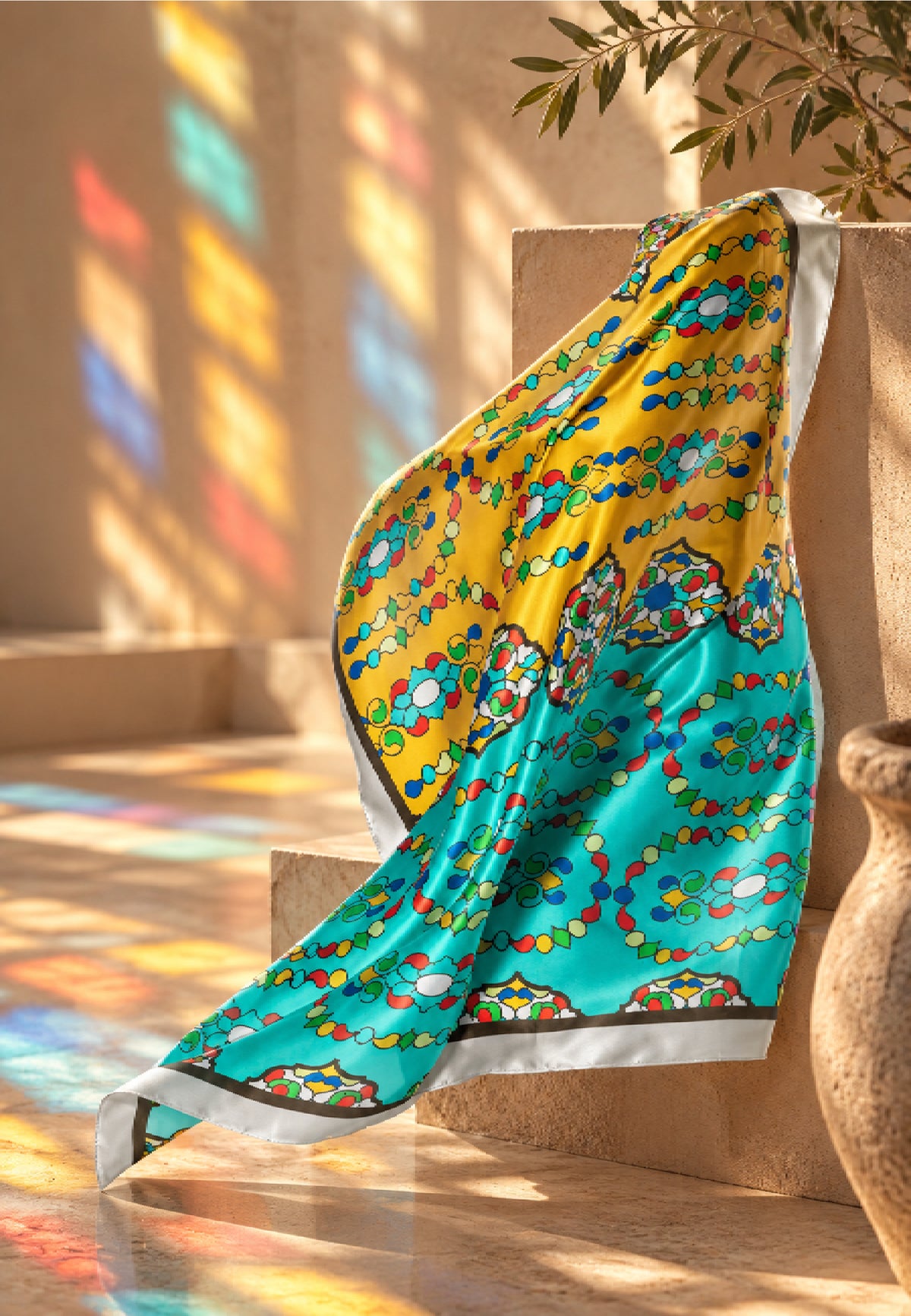
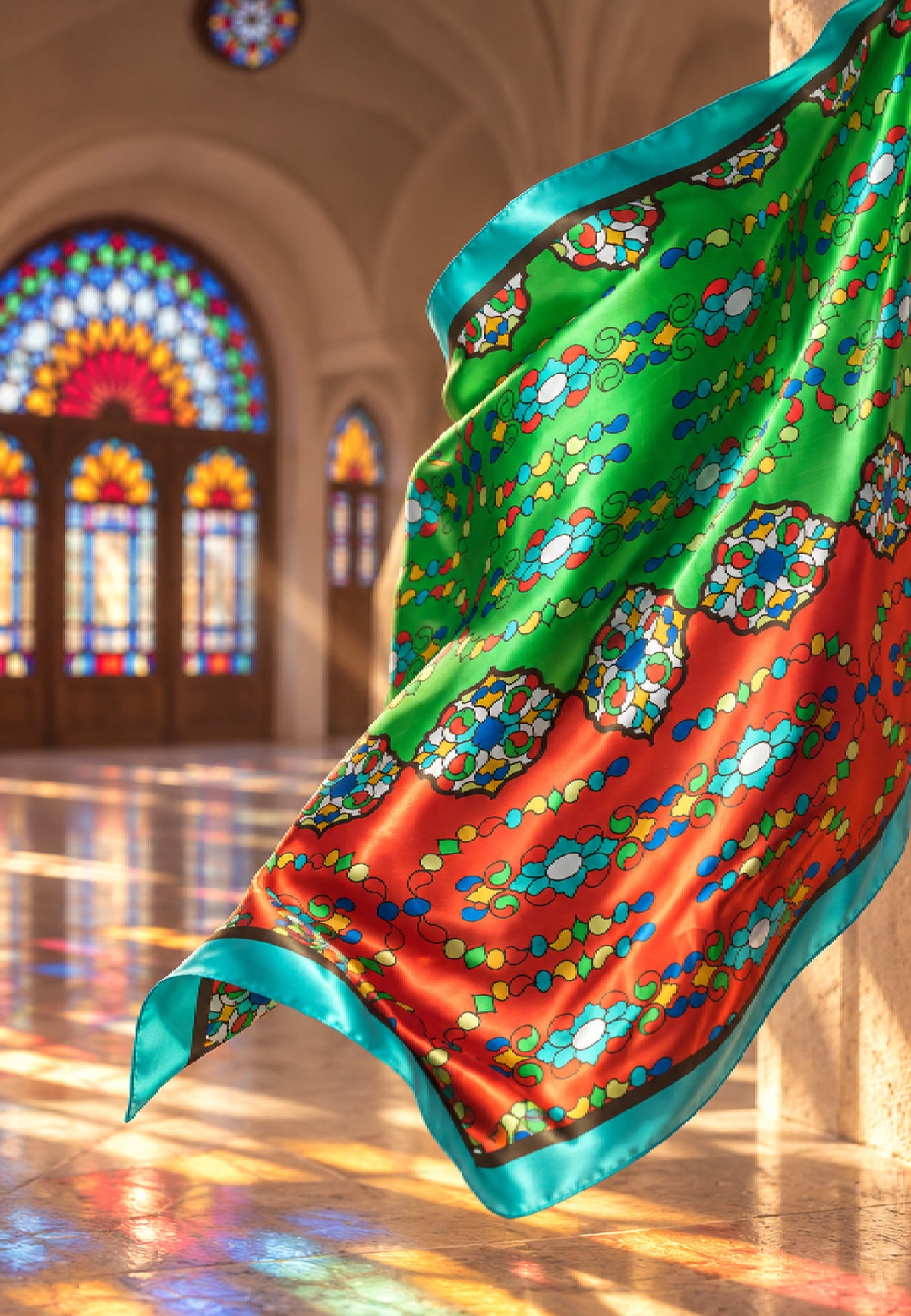
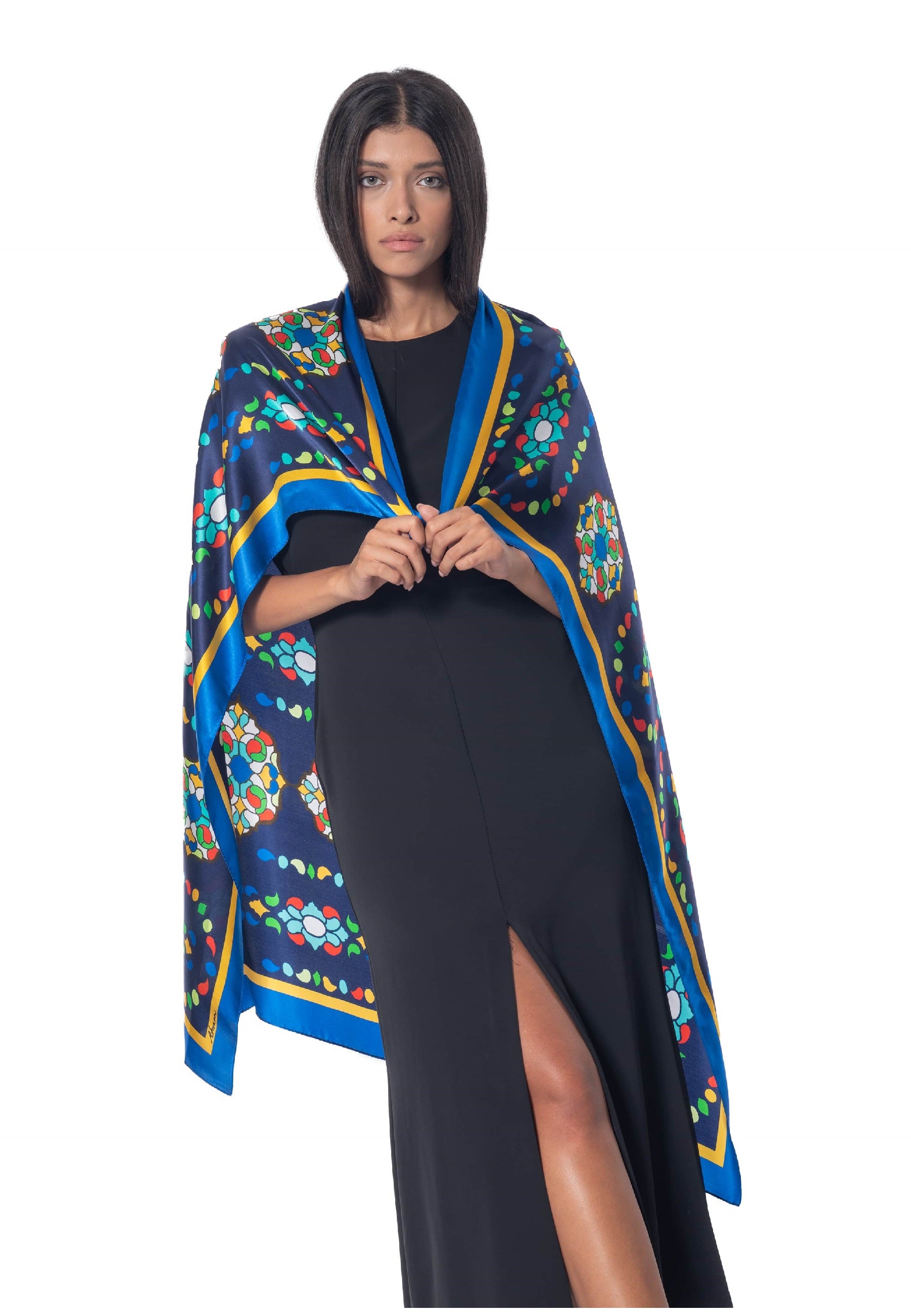
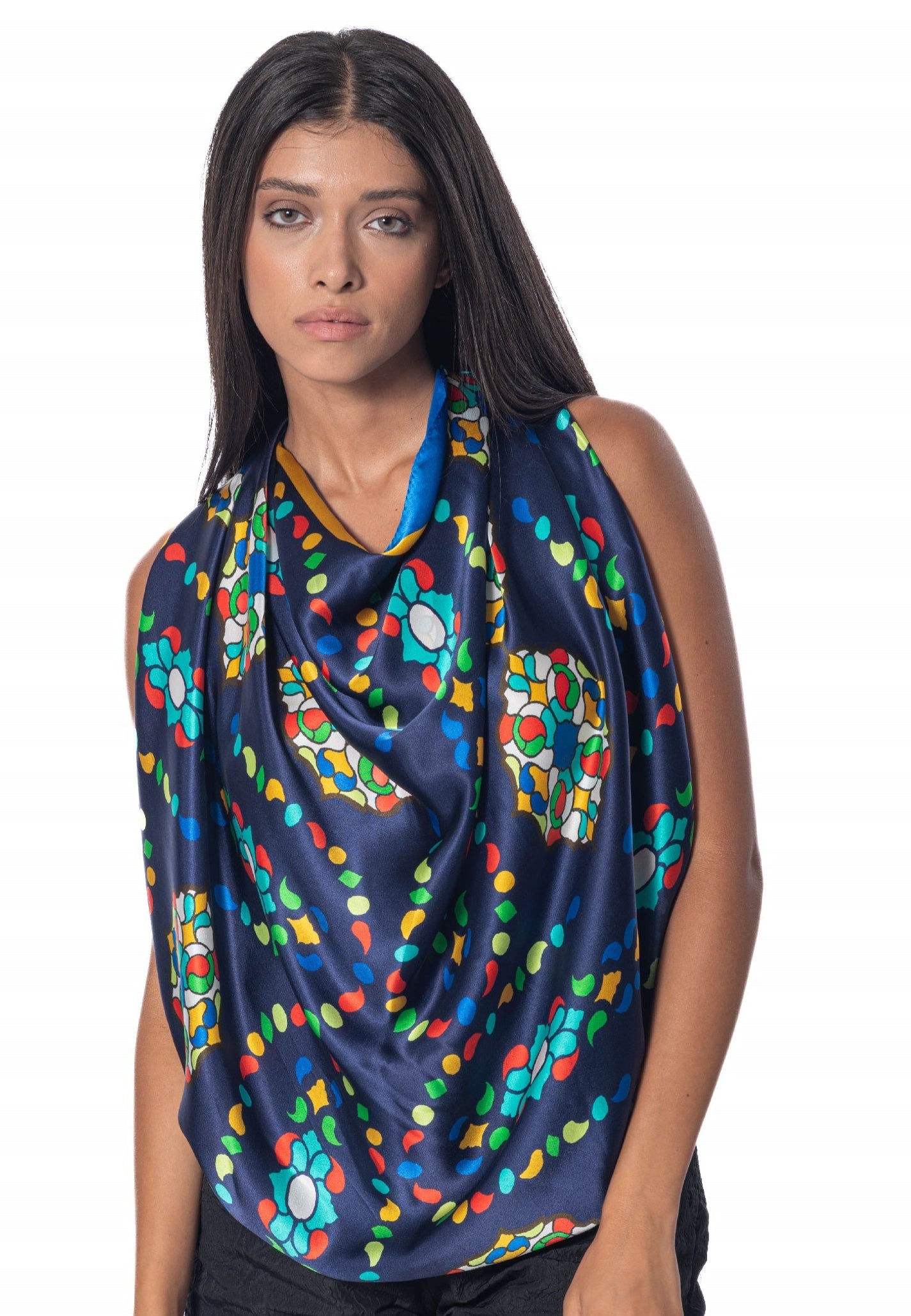
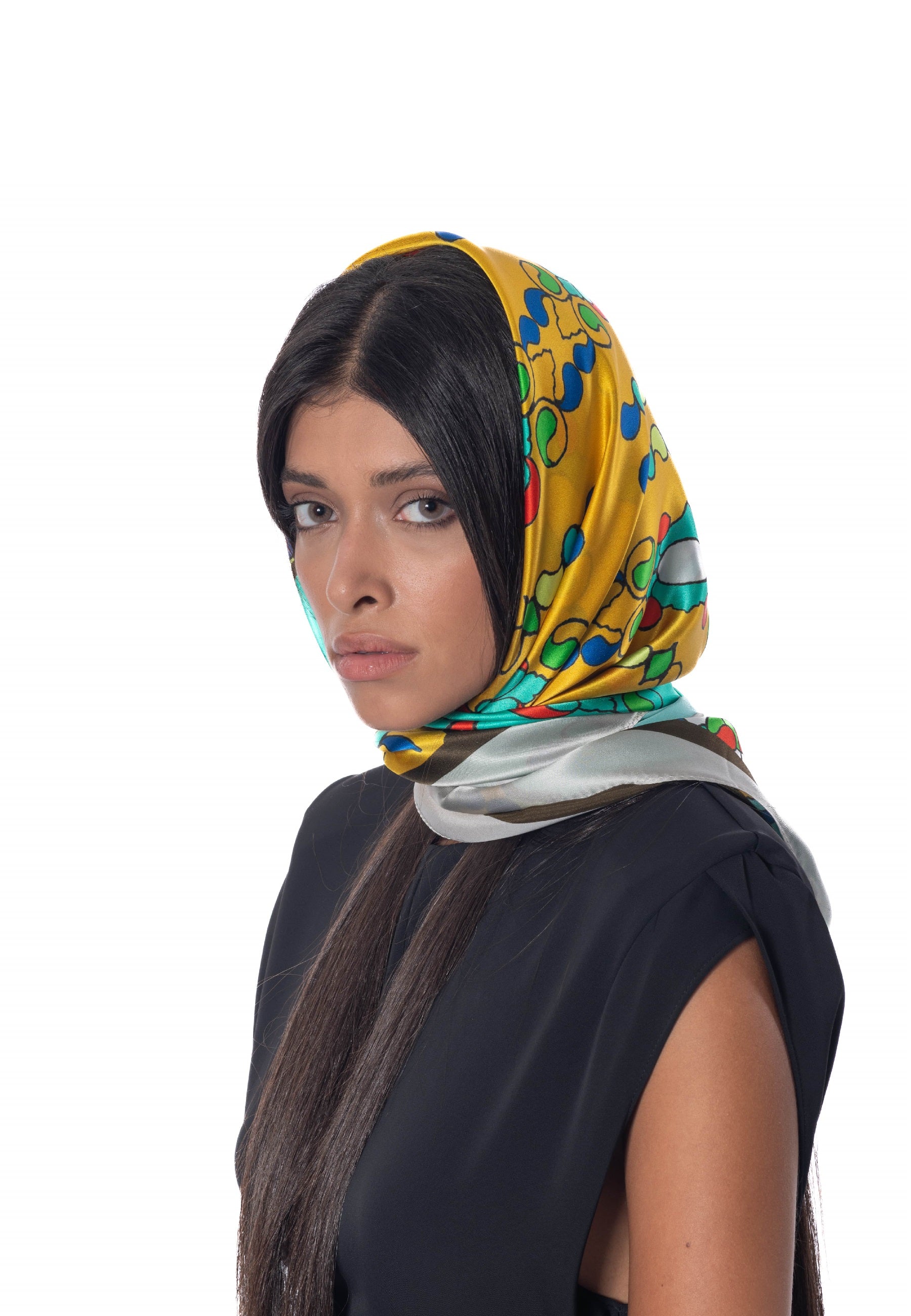
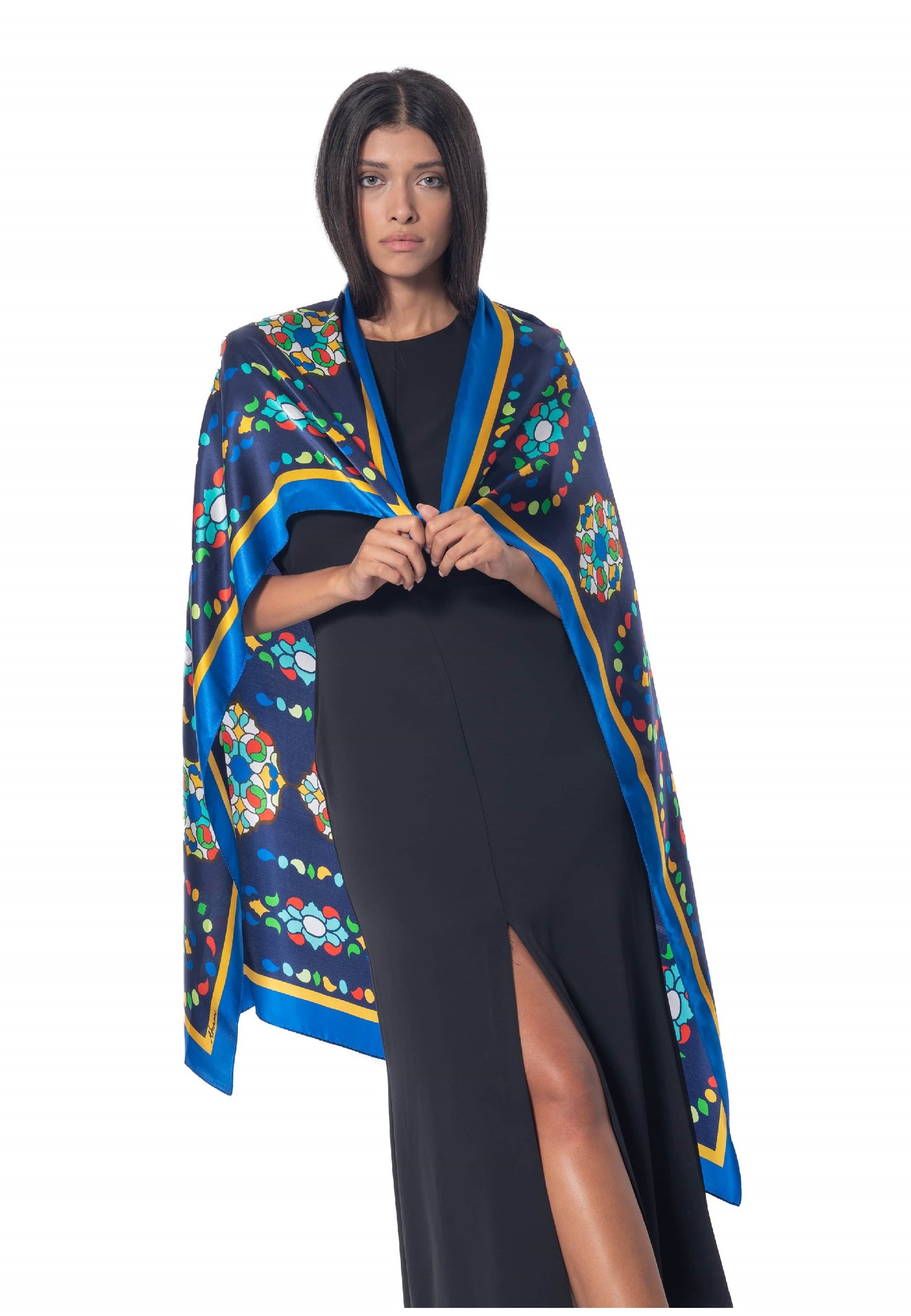
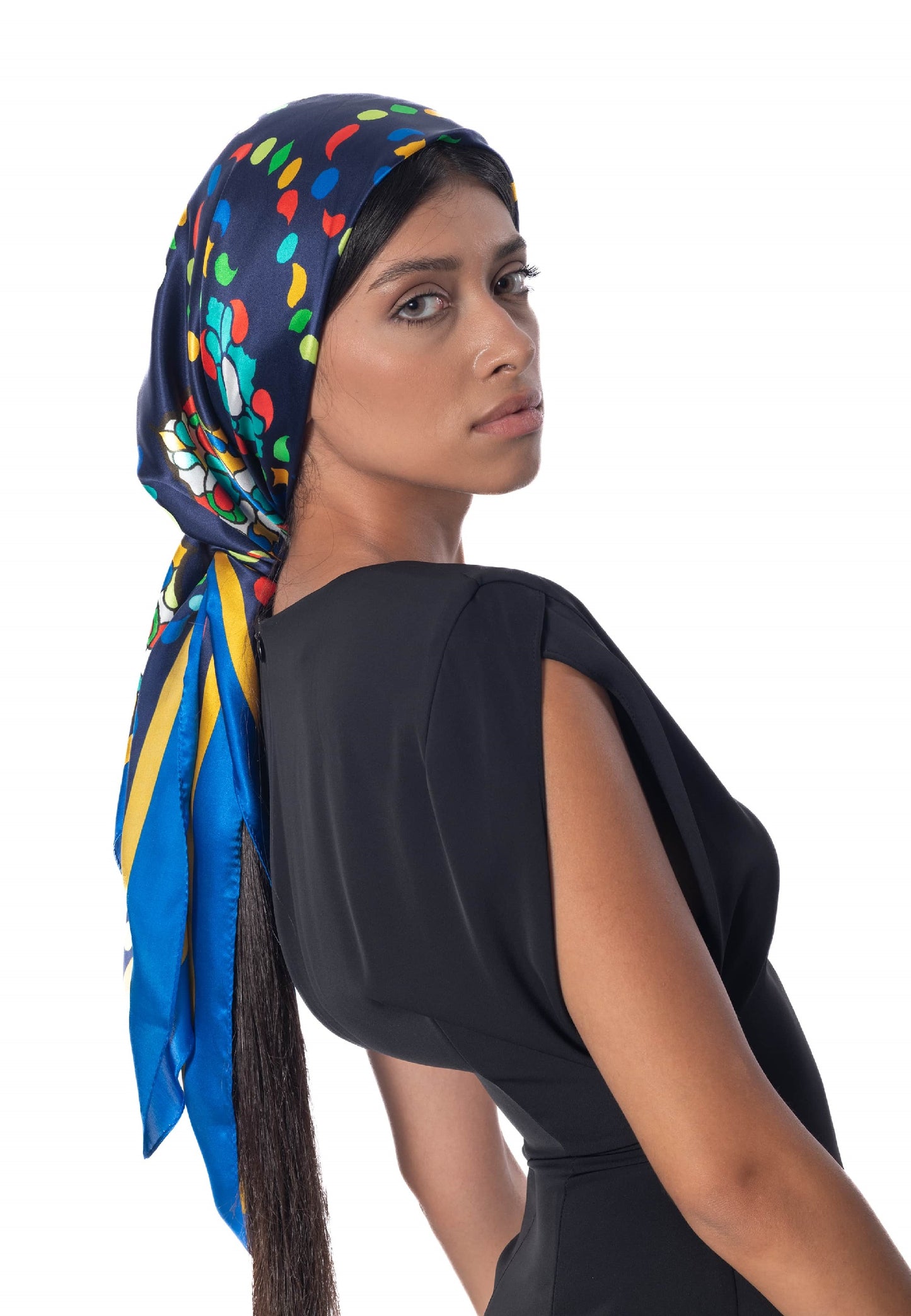
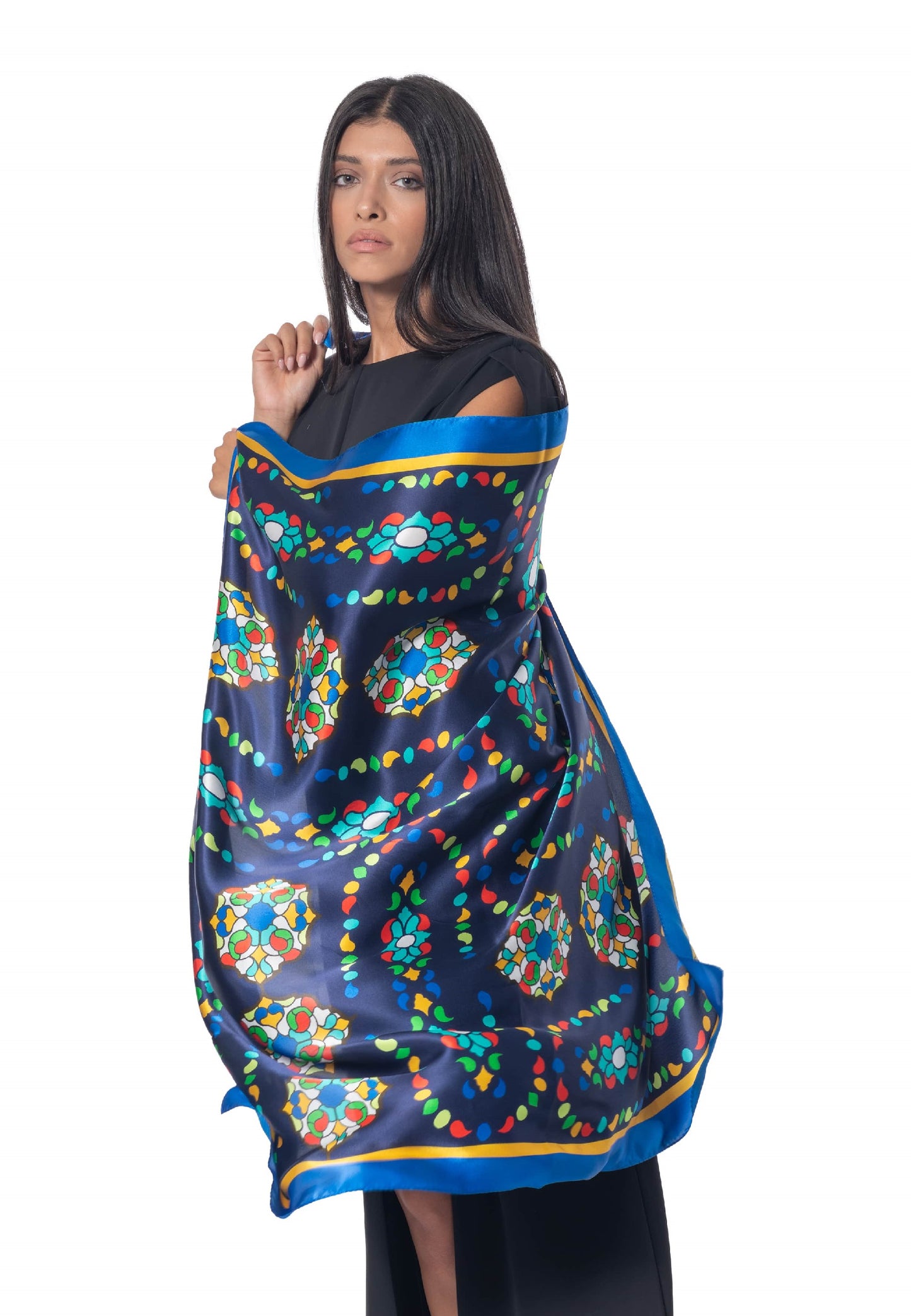
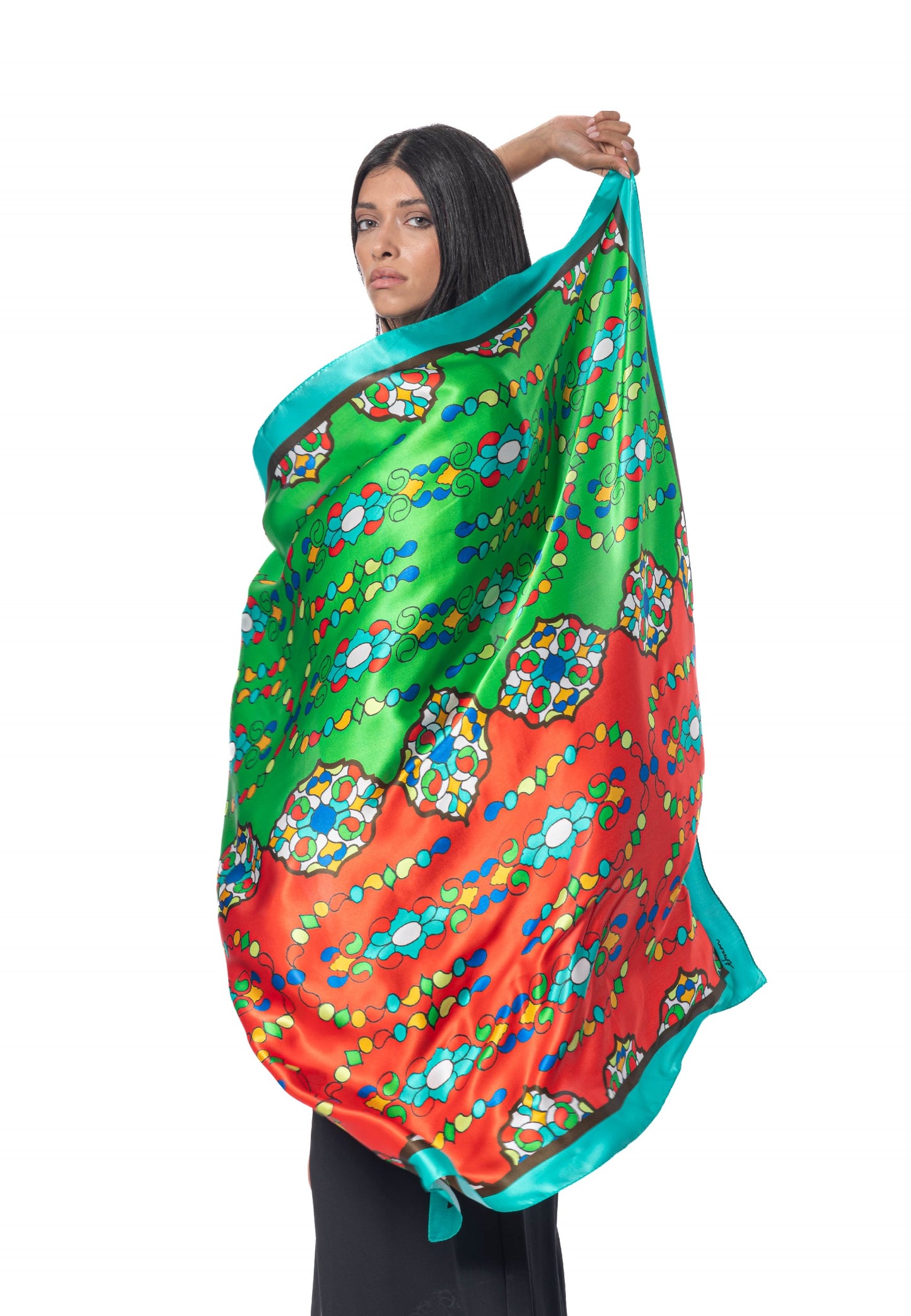
OROSI translates the sensory experience of the Mollabashi House into a contemporary silk scarf.

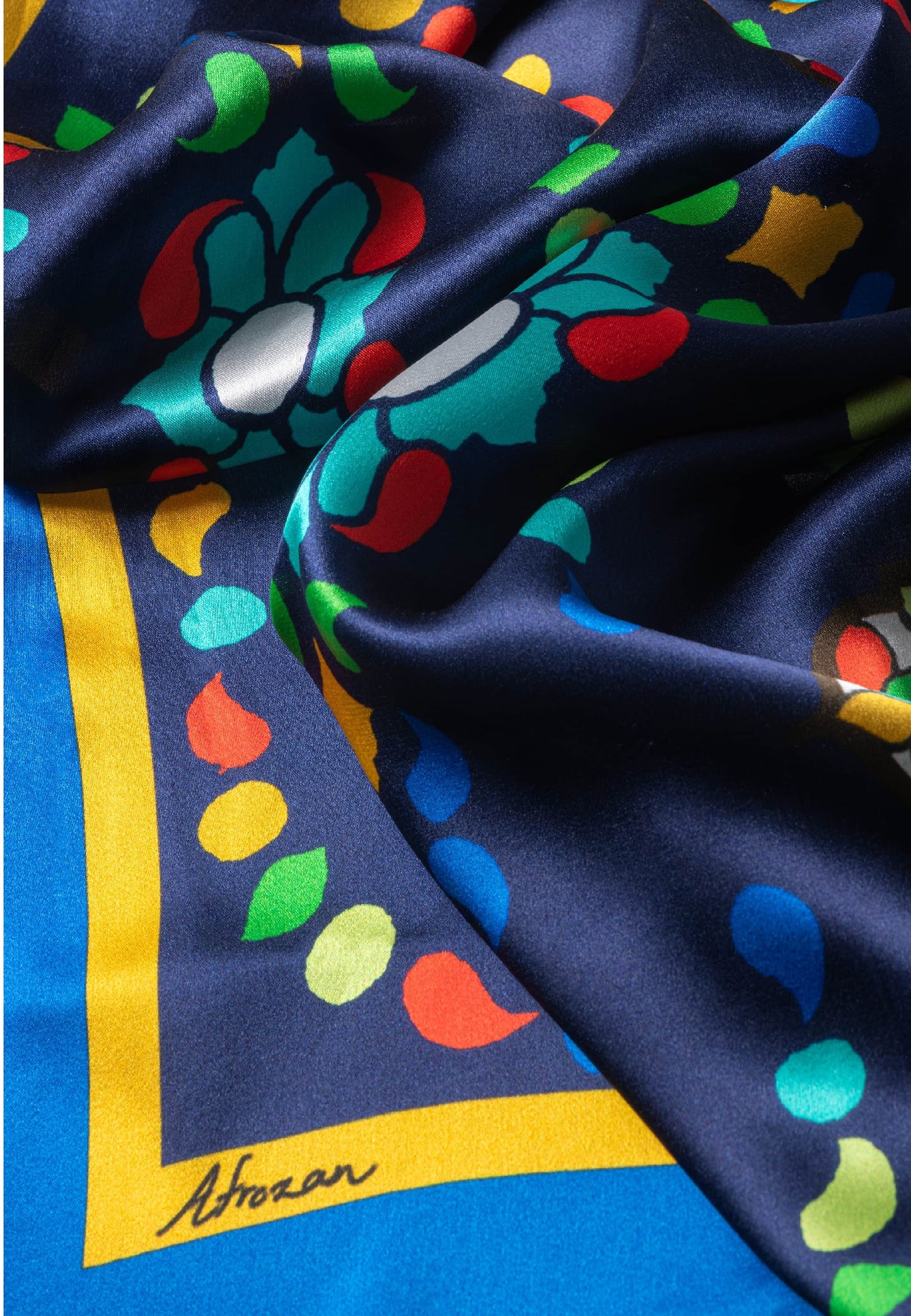
The design draws from the relationship between light, colour, geometry and ornament, transforming the qualities of an architectural interior into a surface that moves with the wearer.

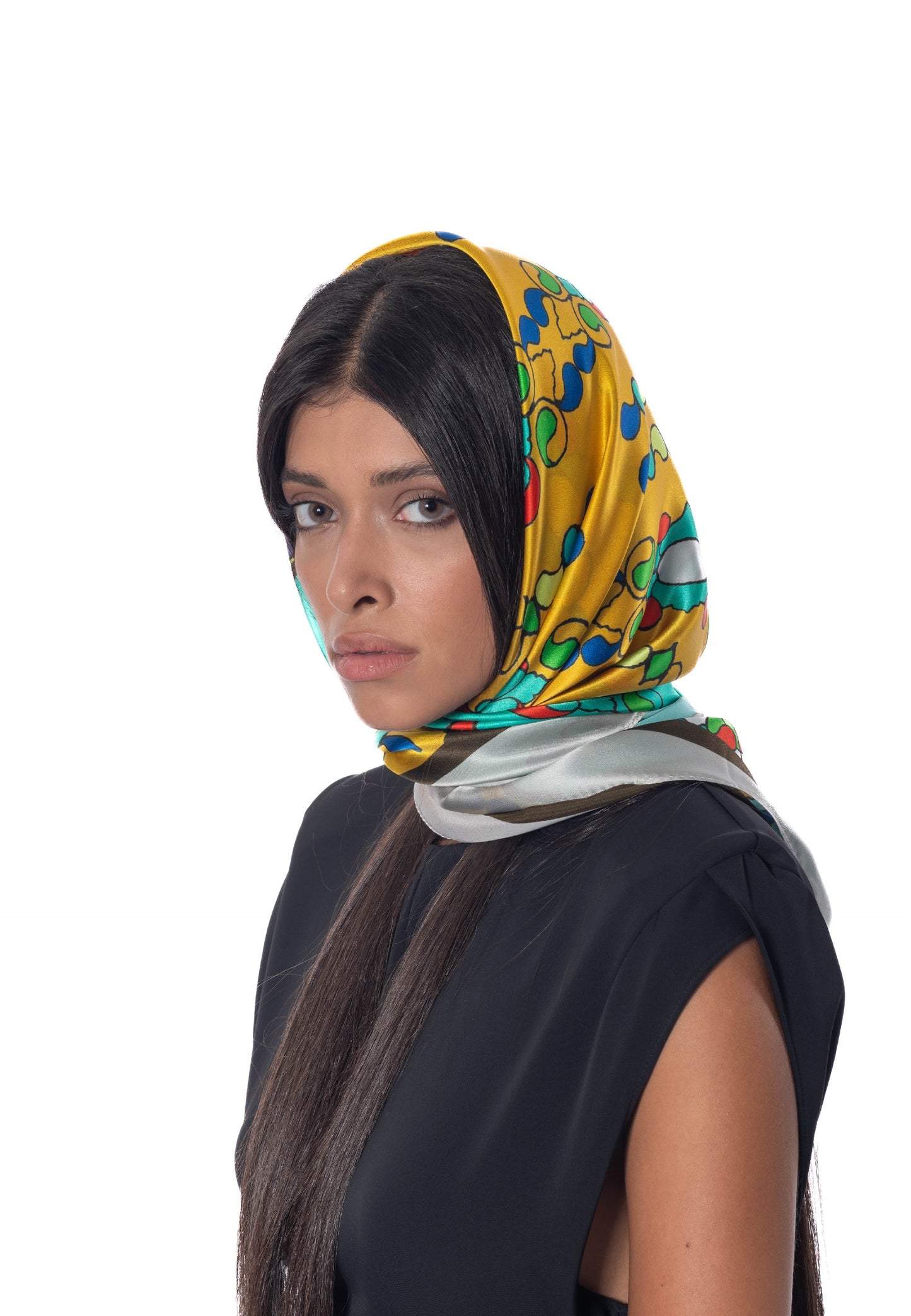
Silk is particularly suited to this interpretation. Its smooth surface catches and reflects light, allowing colours and patterns to change subtly as the fabric moves.

The architecture that once transformed daylight into colour becomes, through OROSI, a wearable surface that interacts with light and movement.

From Heritage to Contemporary Design
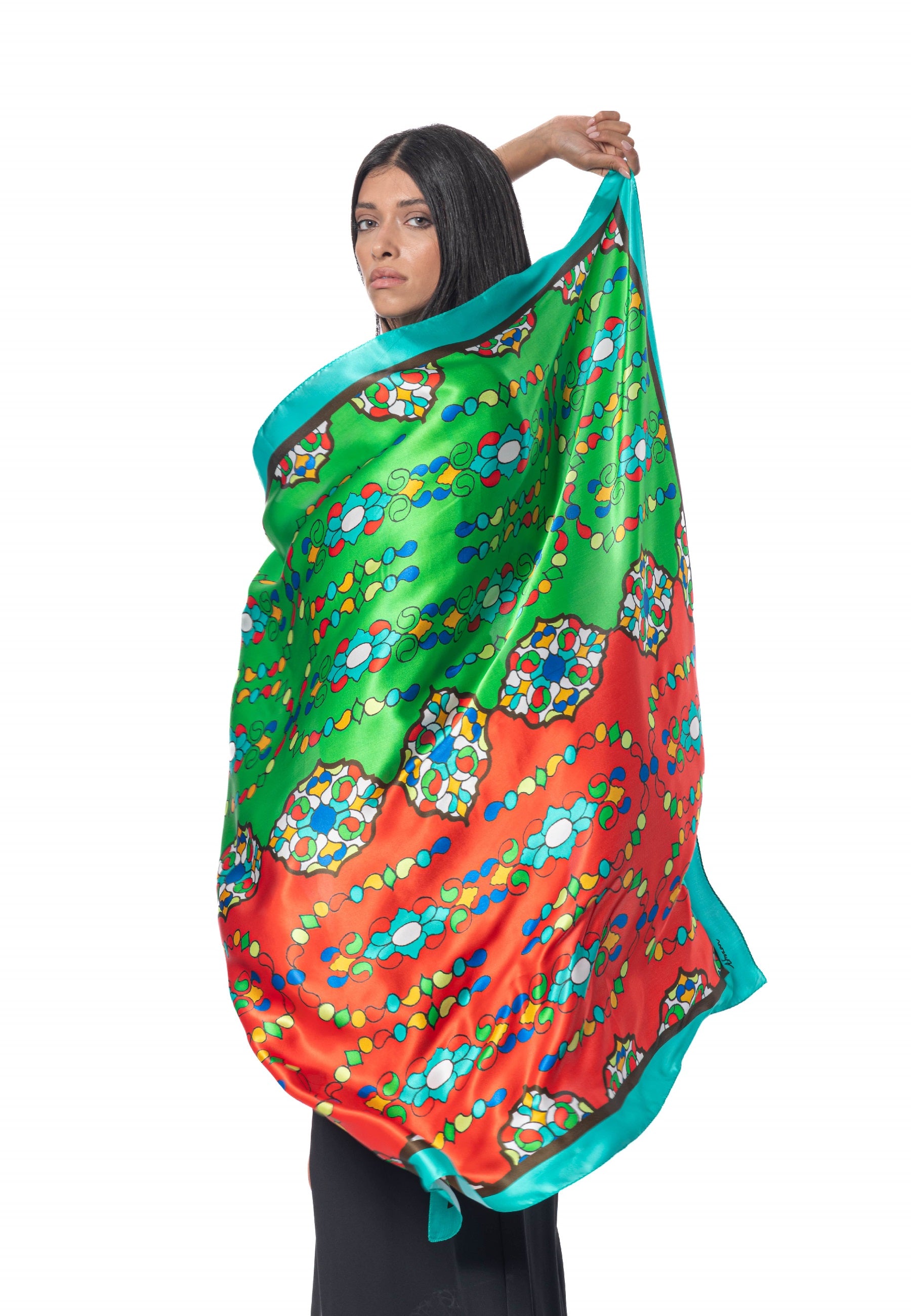
AFROZAN approaches cultural heritage through interpretation rather than reproduction.

For OROSI, the goal is not to recreate a historic window or reproduce the interior of the Mollabashi House. Instead, we look at the principles beneath the experience: how light transforms colour, how geometry creates rhythm, how ornament creates depth and how a historical visual language can become contemporary without losing its connection to its source.

OROSI is our answer to these questions.

A historic interior is experienced through movement. Light changes. Colours appear. Patterns overlap. Surfaces reflect. Details reveal themselves gradually.

OROSI translates this experience into a 100 × 100 cm silk scarf — a generous square designed to move between accessory and garment.

The architecture becomes portable.
The light becomes pattern.
The interior becomes a wearable surface.