CAPRA — Inspired by the Ancient Mountain Goat

The Motif Behind the Design
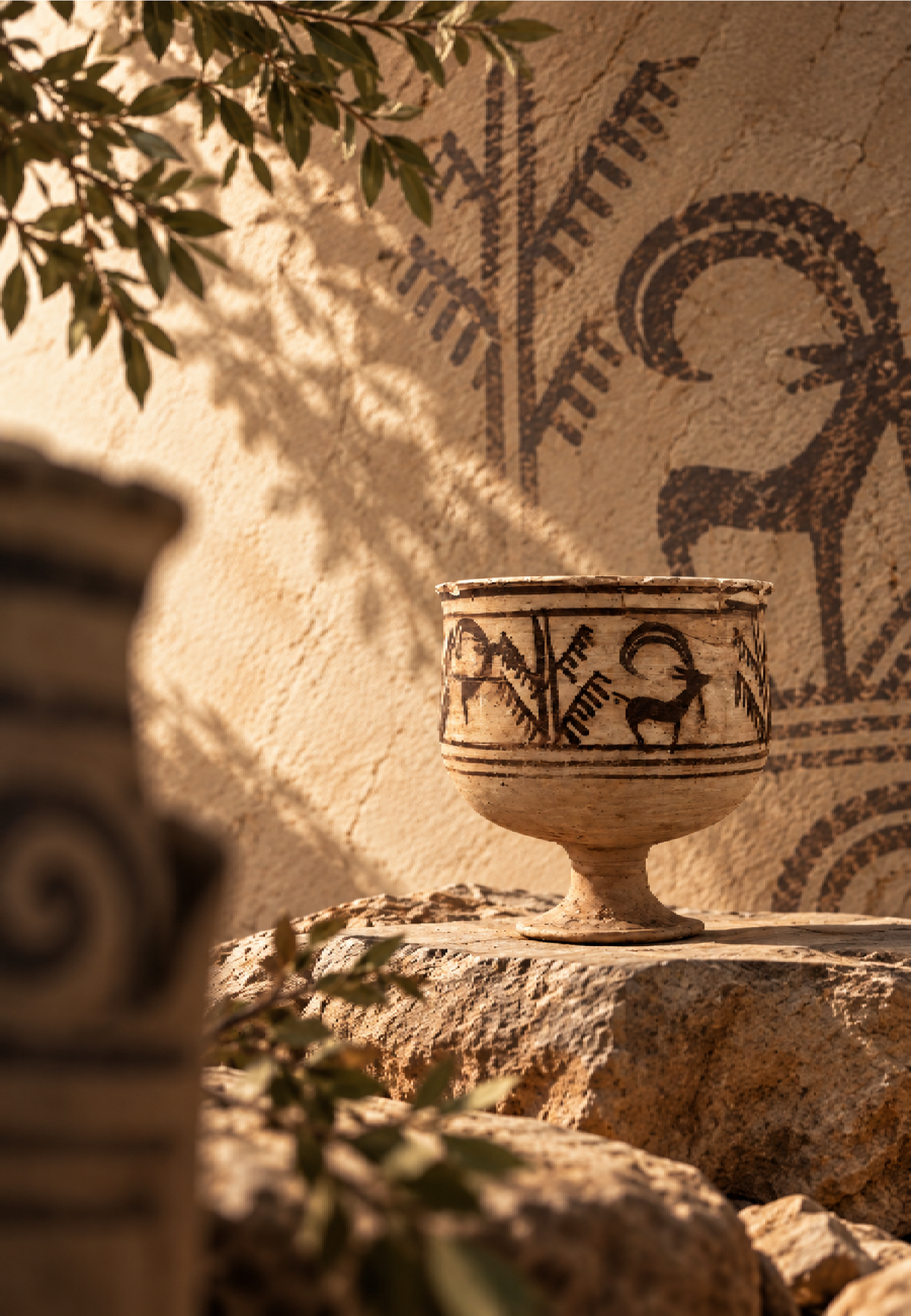
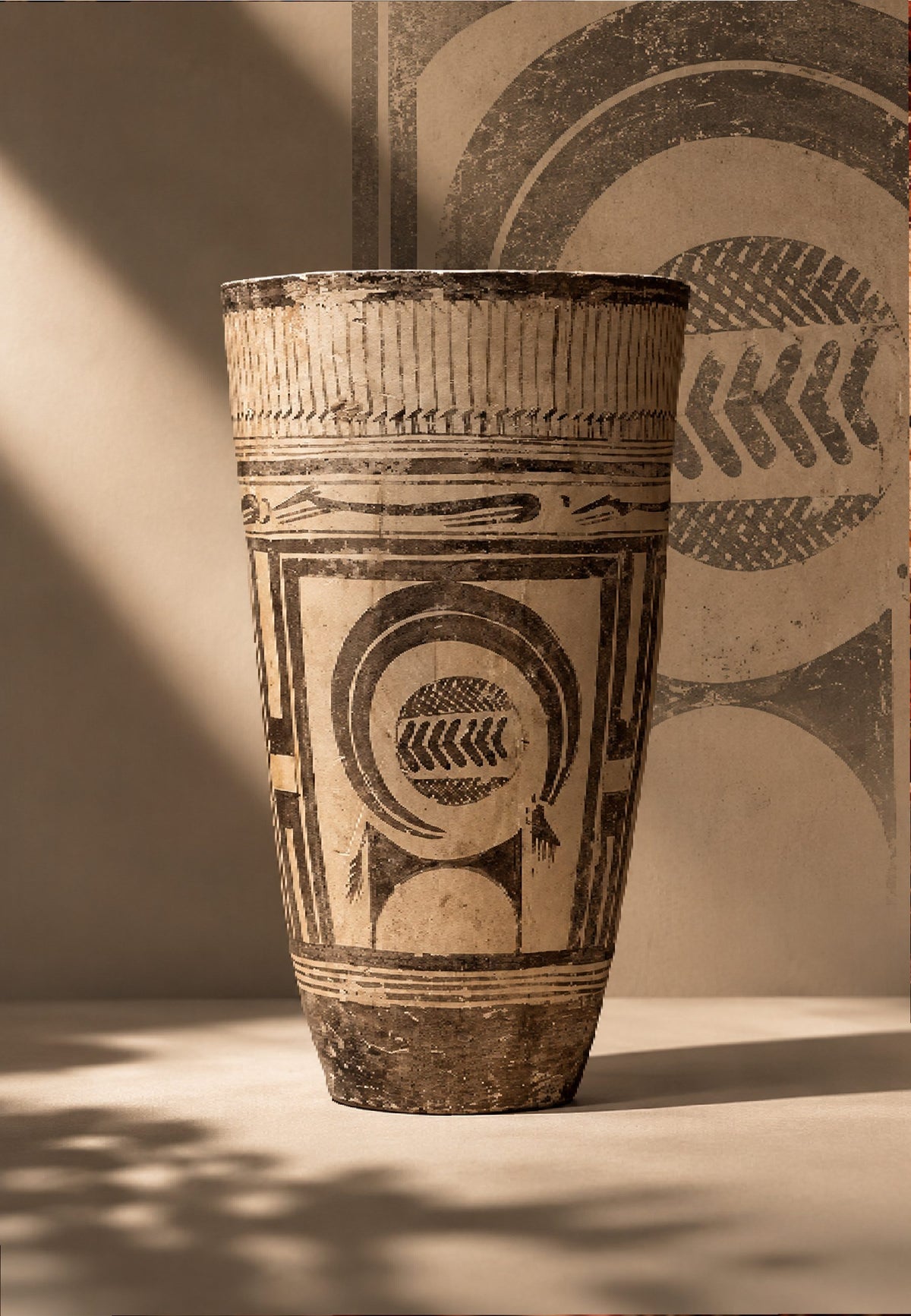
CAPRA draws inspiration from the ancient mountain goat, or ibex, a distinctive animal motif found throughout the artistic traditions of Iran. One particularly important example comes from prehistoric Susa, where stylised mountain goats appear on painted pottery created thousands of years ago.

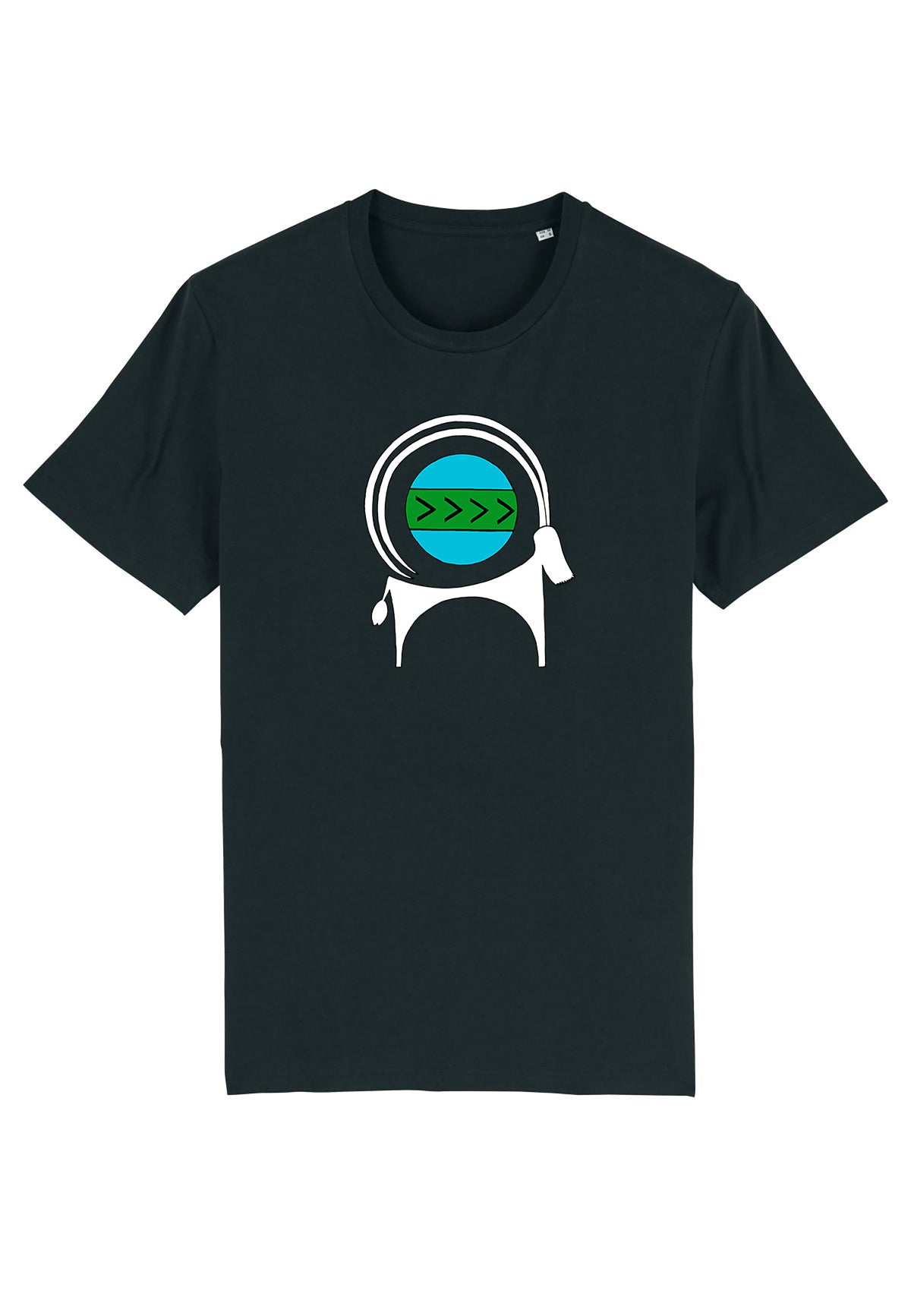
For AFROZAN, this ancient motif represents more than an image of an animal. Its powerful silhouette, sweeping horns and connection to the mountainous landscape offer a visual language of strength, nature and movement.

CAPRA reinterprets these qualities through contemporary pattern and composition, transforming an ancient symbol into a wearable expression.

The Mountain Goat of Ancient Susa

Susa is one of the oldest urban centres of the ancient Iranian world, with a history stretching back thousands of years.

Among the remarkable objects discovered there are painted ceramic vessels decorated with animals and geometric forms. One of the most distinctive is a Susa I beaker featuring a highly stylised mountain goat, or ibex, at the centre of its composition.

Dating to approximately 4200–3500 BCE, the vessel demonstrates how early Iranian artists transformed observations of the natural world into an organised visual language.

The mountain goat is reduced to essential forms: an elongated body, powerful legs and sweeping horns that create an almost geometric structure.

This balance between nature and abstraction became an important starting point for CAPRA

The Language of the Ibex

The mountain goat appears repeatedly in the artistic heritage of Iran, often recognised by its distinctive curved horns and agile form.

Its presence is closely connected to the geography of the Iranian plateau and the mountainous landscapes where wild goats and ibexes were part of the natural environment.

In ancient Iranian art, the animal was not always represented naturalistically. Artists simplified its body, exaggerated its horns and transformed its silhouette into a highly recognisable decorative form.

This process of simplification is particularly important to CAPRA.

The animal becomes a symbol through its essential lines and shapes rather than through realistic representation.

From Nature to Geometry

One of the most fascinating qualities of the ancient Susa designs is the transformation of natural forms into geometry.

The long curved horns of the ibex create sweeping arcs. The body becomes a simplified silhouette. Surrounding geometric forms interact with the animal, creating a composition in which nature and abstraction exist together.

The decoration is therefore not simply an illustration of an animal. The animal becomes part of the architecture of the pattern.

CAPRA follows this principle.

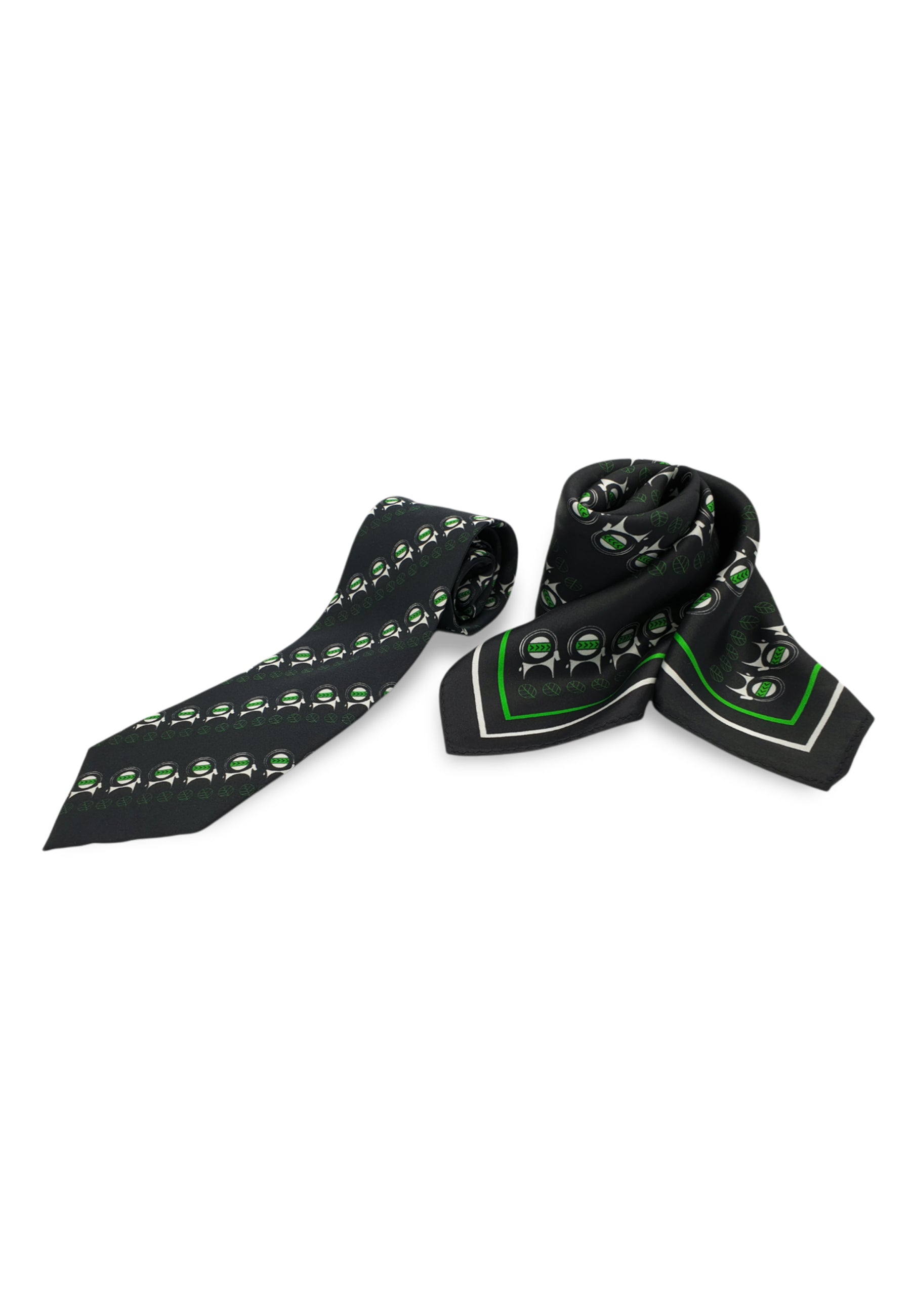
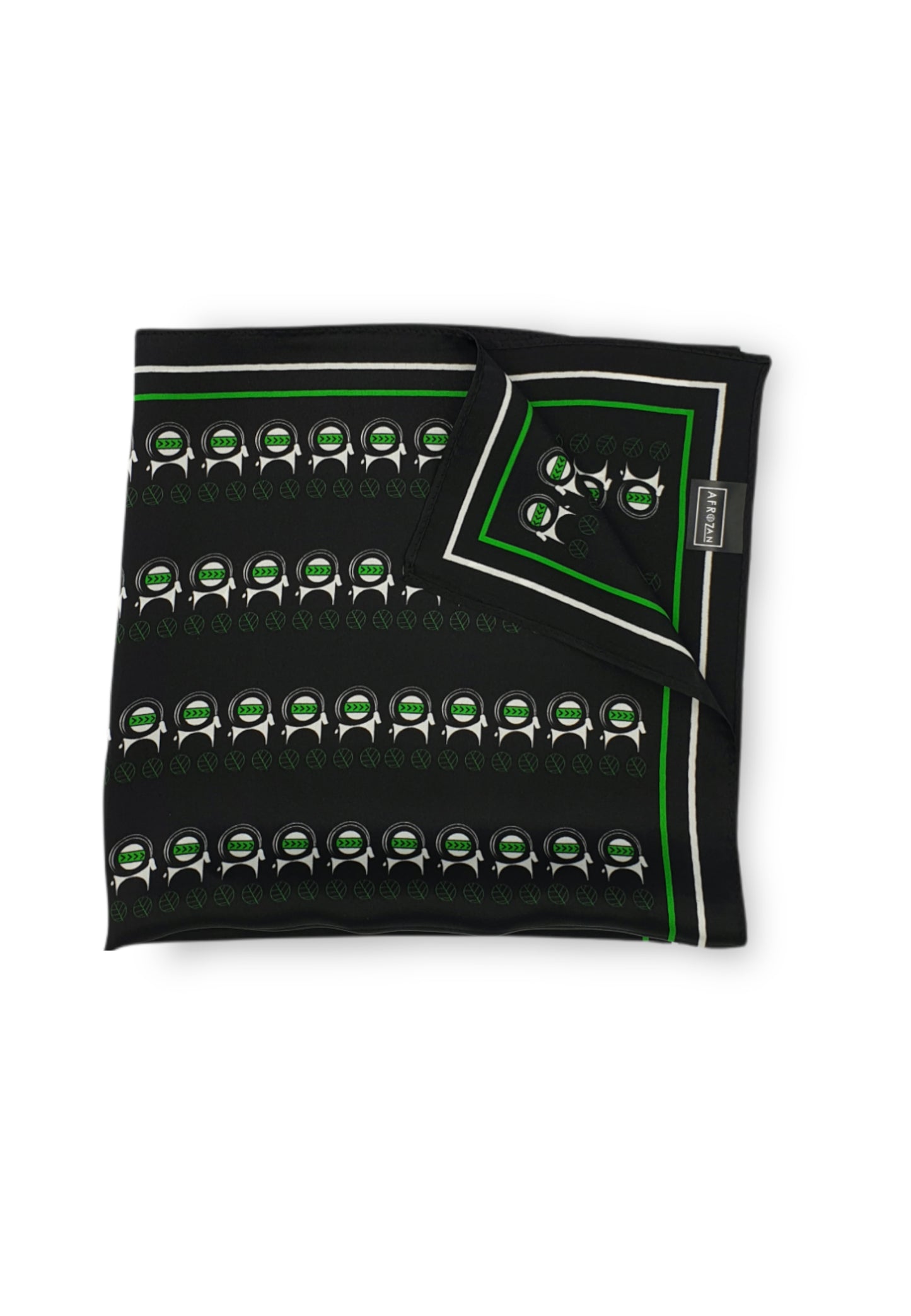
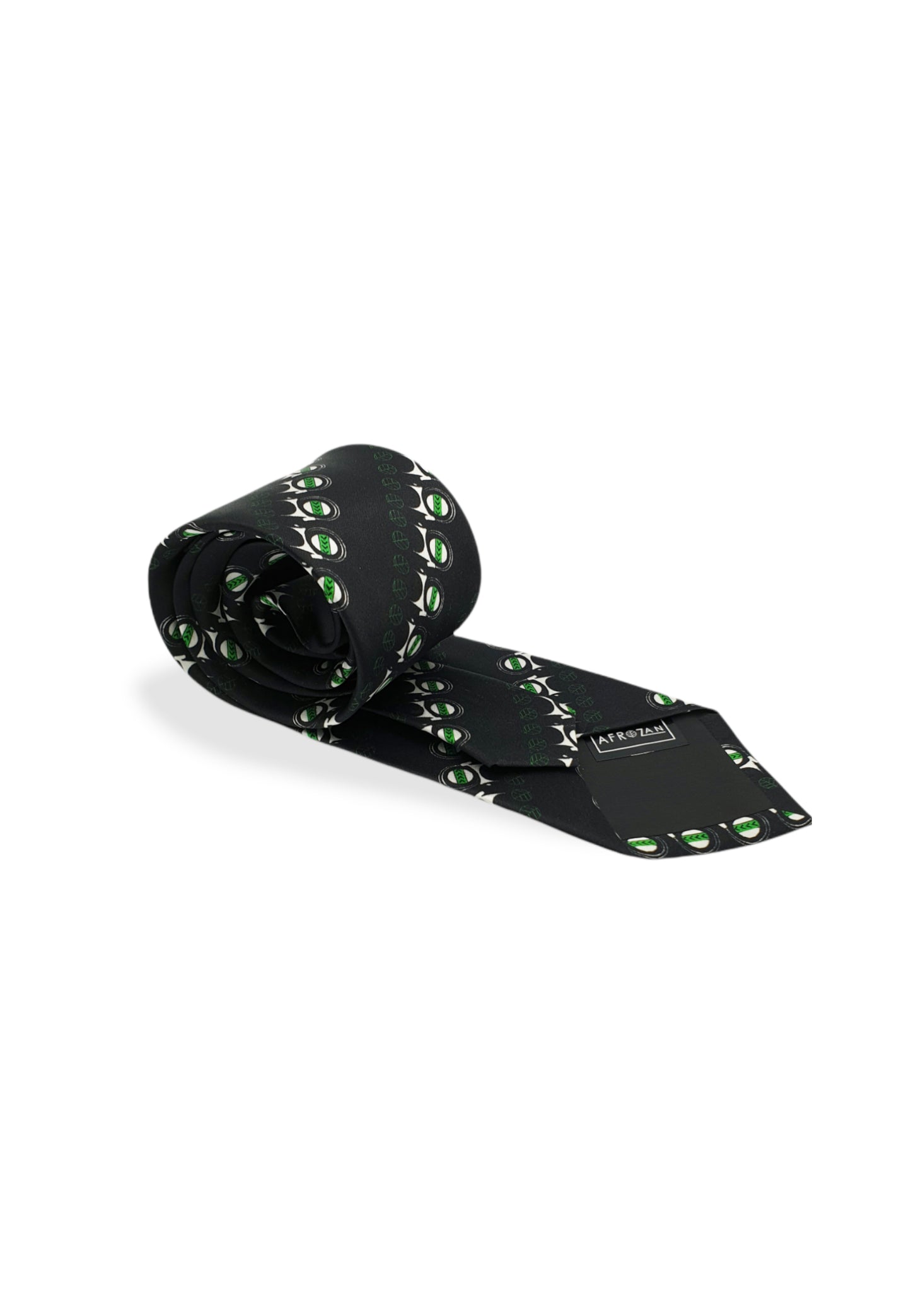
The mountain goat is interpreted through shape, rhythm and repetition, allowing an ancient natural form to become a contemporary graphic language.

Strength, Nature and Movement

The mountain goat is an animal defined by movement and adaptation.

Its body is built for steep terrain, while its curved horns create one of the most recognisable silhouettes in the visual traditions of ancient Iran.

CAPRA focuses on these qualities rather than attempting to reproduce a historical image literally.

Strength becomes form.

Movement becomes line.

Nature becomes pattern.

The result is a contemporary interpretation in which the energy of the animal remains visible without becoming a literal archaeological reproduction.

From Ancient Pattern to Silk

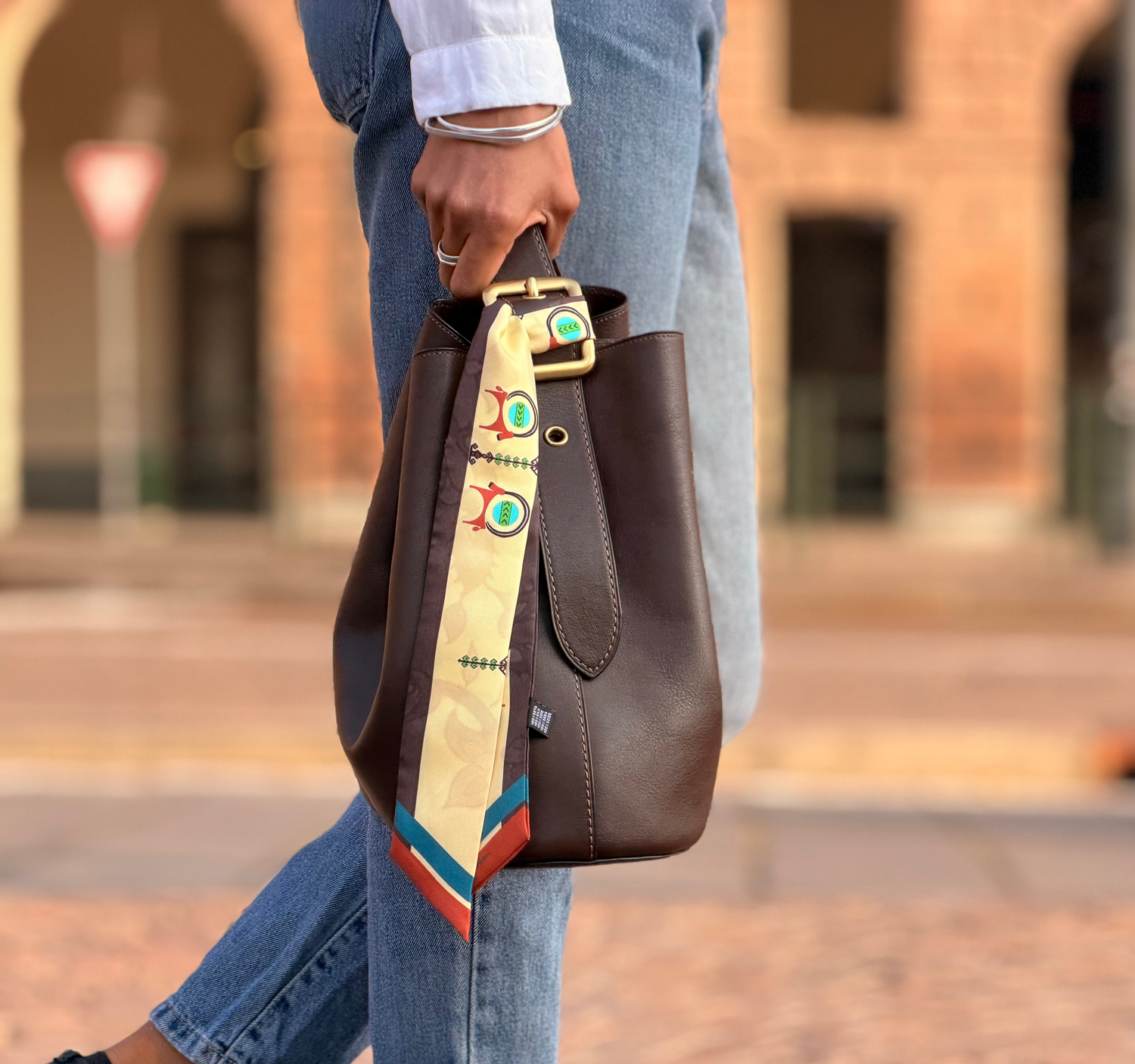
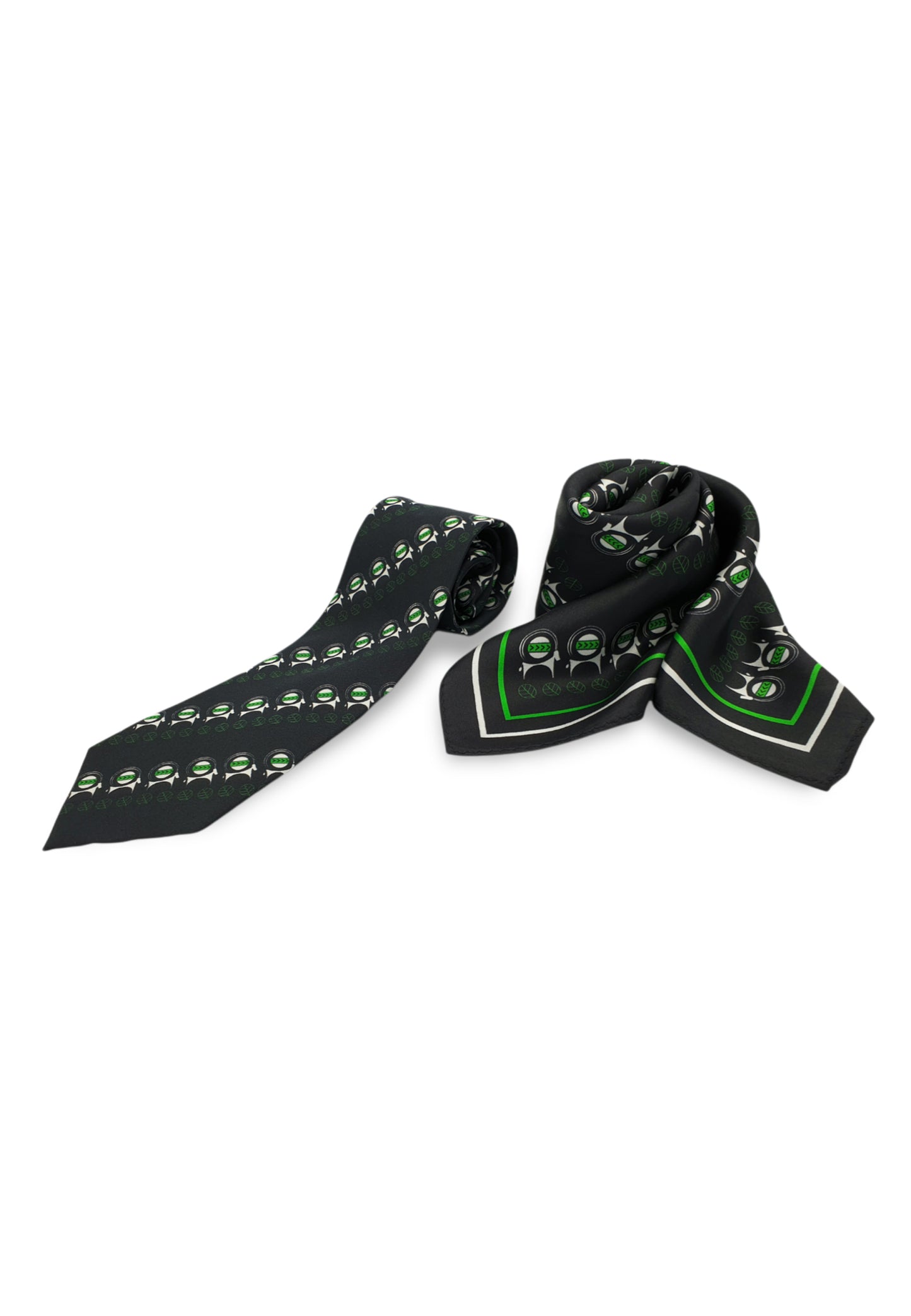
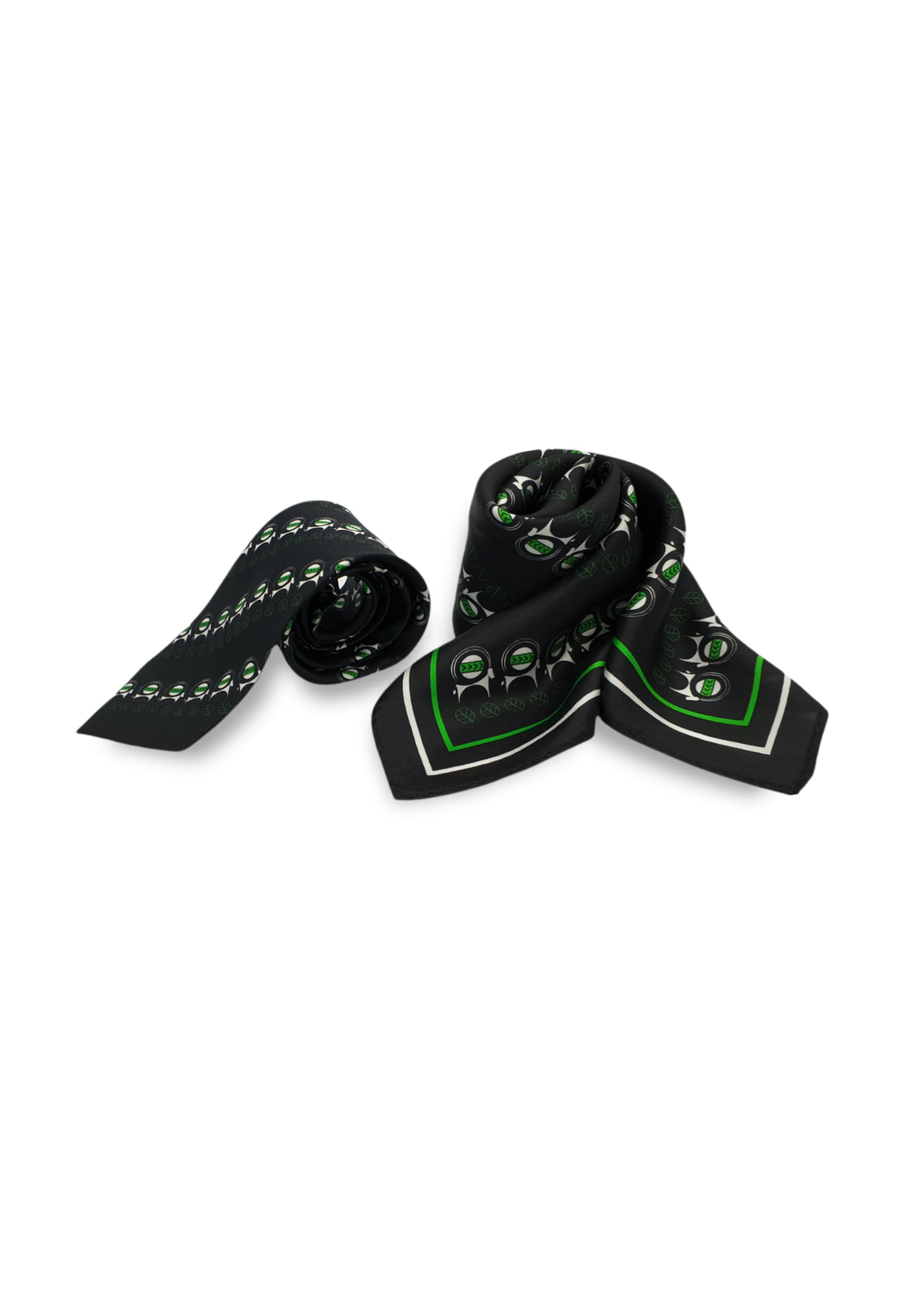
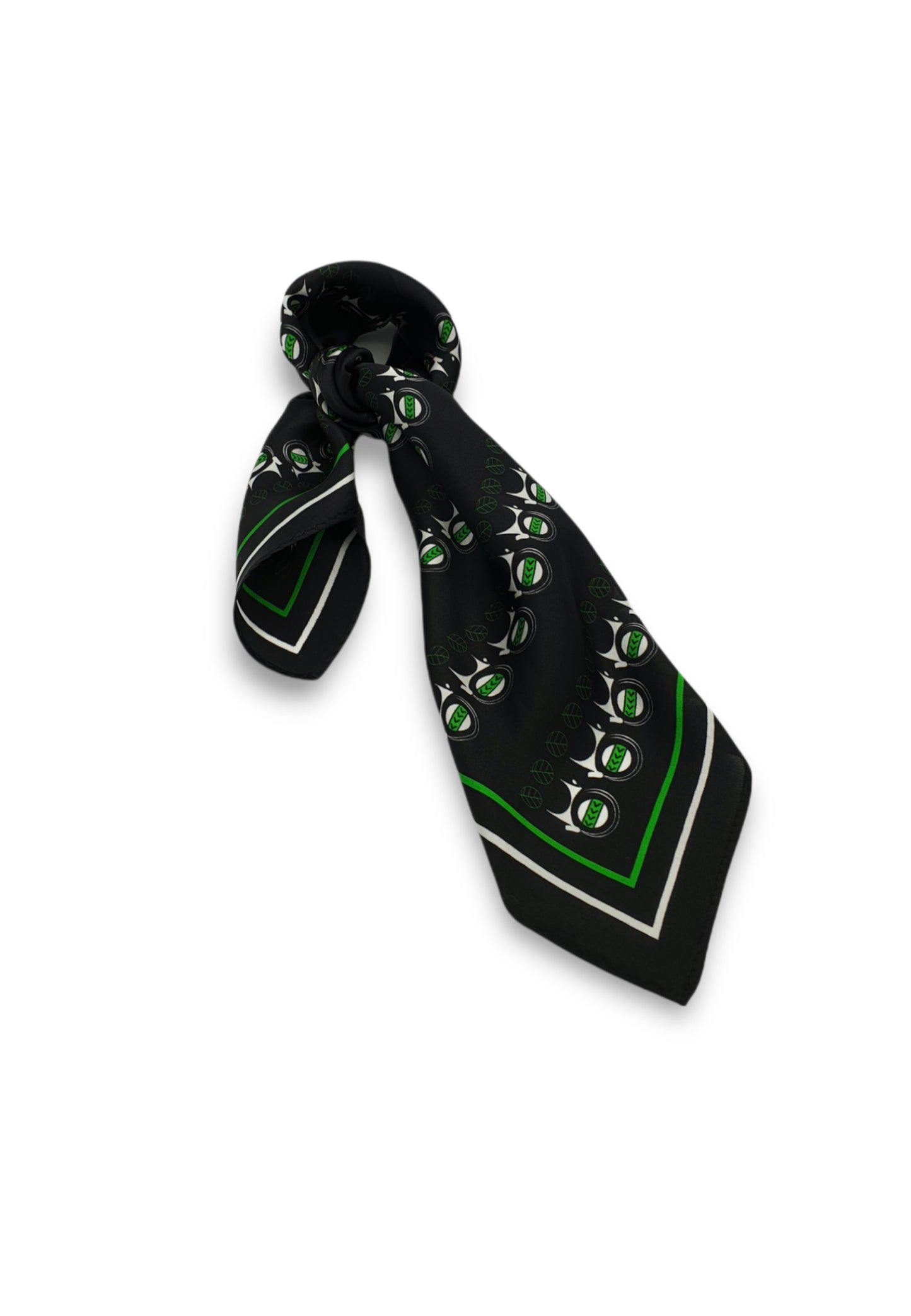
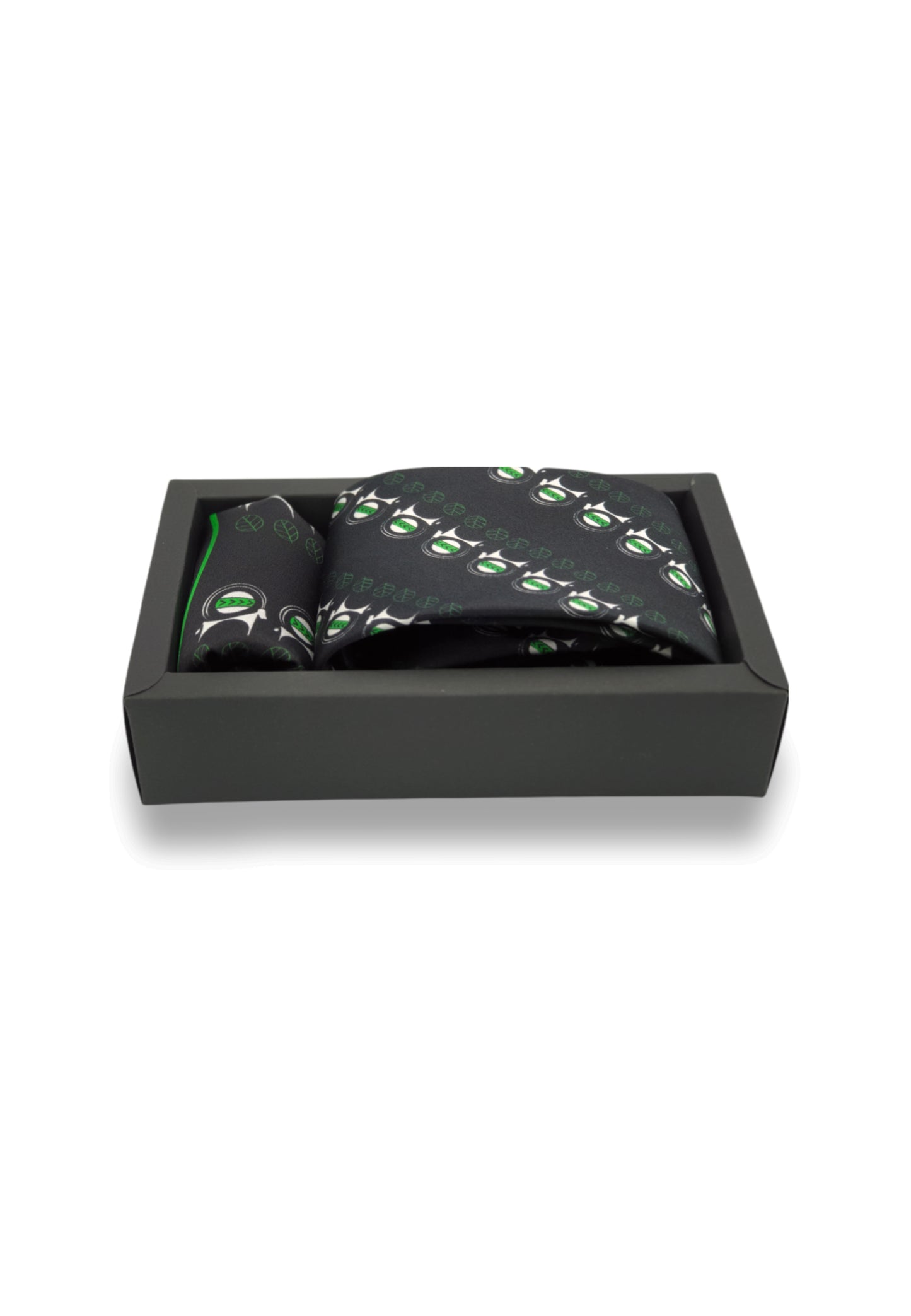
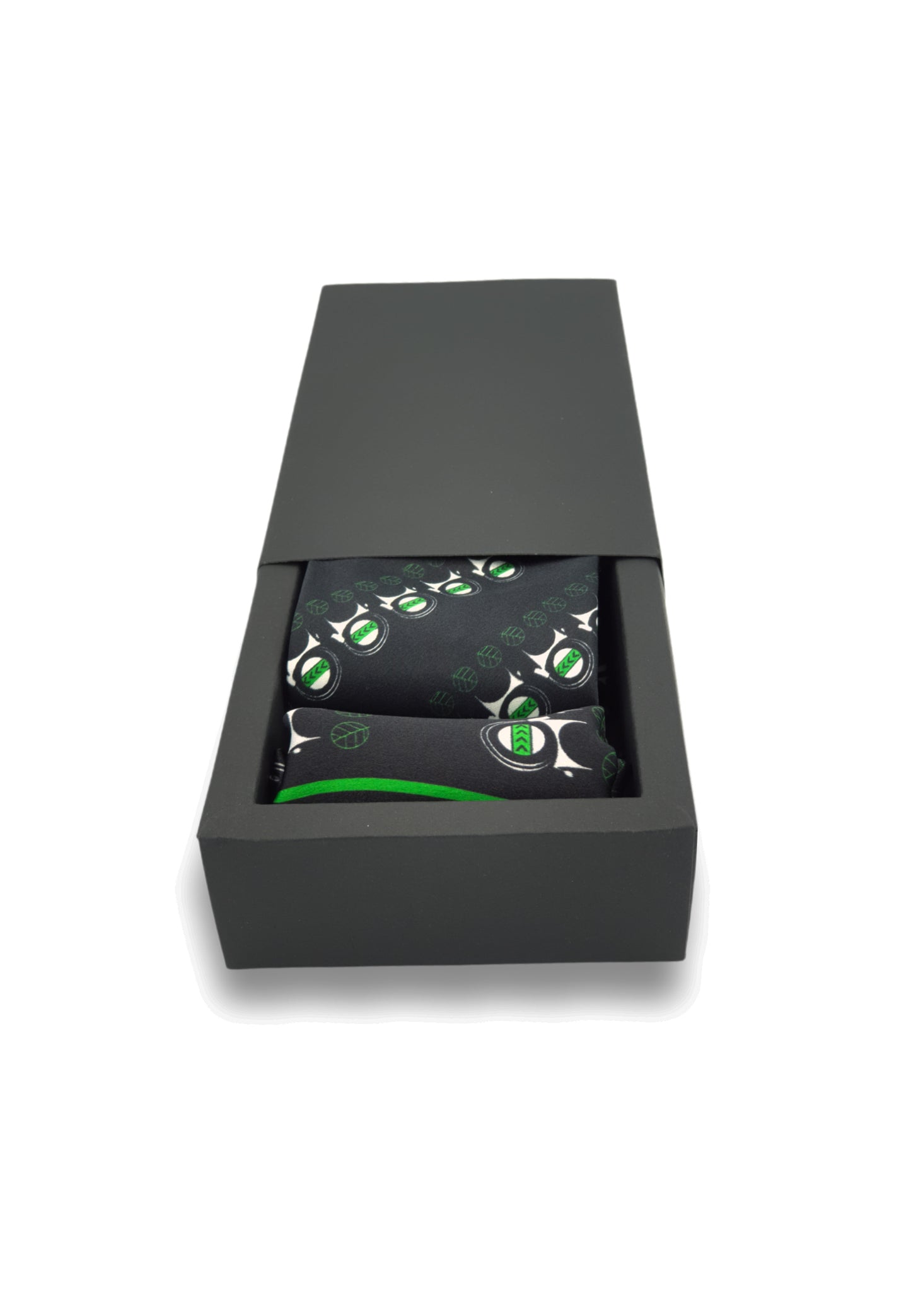
CAPRA translates the visual language of the ancient mountain goat into a contemporary silk scarf.

The smooth surface of silk provides a new medium for a motif that was once painted onto ceramic vessels and represented across other forms of ancient Iranian art.

As the scarf moves and folds, the composition changes. Lines, shapes and colours interact differently depending on how the fabric is worn.

The fixed image of the ancient vessel therefore becomes dynamic.

What once belonged to an archaeological object becomes something that moves through contemporary life.

From Heritage to Contemporary Design

CAPRA reflects AFROZAN's approach to cultural heritage: looking beyond the surface of historical imagery to discover the ideas that can still speak to contemporary design.

The ancient mountain goat becomes a starting point rather than an endpoint.

Its silhouette becomes pattern.

Its horns become geometry.

Its connection with the landscape becomes a visual expression of nature.

Its ancient presence becomes something wearable.

CAPRA transforms a motif rooted in the distant past into a contemporary accessory, creating a dialogue between archaeological heritage, artistic interpretation and modern fashion.